

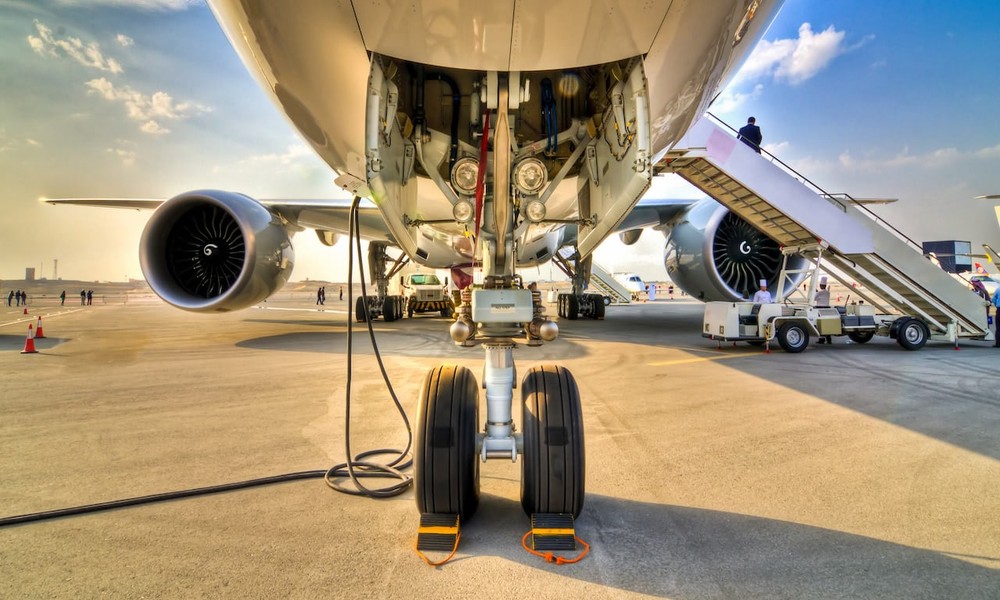
The majority of passengers never think about what happens behind the walls of an airplane. So, they go on the plane, buckle themselves in, and look forward to an uneventful flight. But behind every great flight are thousands of precisely machined aircraft components in perfect harmony.
Often these components are out of sight, but without them modern aviation would not be possible.
All Flight Begins with Trustable Parts
Before an aircraft takes to the sky, there are many systems inspected by engineers, and maintenance crews. This includes engines, electrical systems, hydraulics, brakes, navigation tools, and everything in between.
All of these systems rely on aircraft components that are high-quality aircraft parts designed with extreme pressure in mind.
This is what commercial aircraft have to contend with on a daily basis:
- Extreme temperatures
- High altitudes
- Long operating hours
- Heavy passenger loads
Safe air travel is impossible without robust tested components.
The Most Important Aircraft Systems
Aircraft is made up of thousands of parts, but there are some systems that are of overarching importance.
Flight Control Systems
They assist pilots in safely guiding the aircraft on its way during takeoff, in-flight, and on landing. Everything from flaps and control surfaces to the pilots that depend on these controls have to respond at all times correctly.
Engine and Fuel Systems
They depend on carefully cast and machined aircraft components to keep an engine not only operating, but also performing in a power-efficient manner. Failure on even small orders will have an impact on the performance.
Communication and Navigation Equipment
Modern day planes rely on complex electronics to transmit data to air traffic control and track their flight paths. They are in avionics systems that need to rely on sensors, displays, and processors.
Why the Aviation Industry Requires So Much Precision
The aviation industry maintains some of the highest safety standards in existence. It implies that for so-called smart manufacturing, it is not enough for manufacturers to just produce parts in speed and pray they work.
Specific regulations and testing are mandated for all aircraft components suppliers as well. The components are subjected to durability tests, heat resistance tests, vibration tests, and long-term performance tests.
This way, mechanical risks are minimized and passenger safety is increased.
The Shift Toward Smarter Technology
The world of aviation is changing rapidly. With shifts in technology, airlines are now desiring lighter, more efficient, and less maintenance-intensive aircraft.
This has led manufacturer, using contemporary materials and digital technology, to recreate aircraft components.
Today’s aircraft often include:
- Lightweight composite materials
- Smart monitoring systems
- Advanced fuel-saving designs
- Digital maintenance tracking
All of these advances allow airlines to reduce costs while improving their operational reliability.
Maintenance Plays a Huge Role
The finest aircraft components will require inspection and will need to be replaced regularly. Maintenance teams closely watch an aircraft to spot wear and tear before major failures.
Routine servicing helps airlines:
This fitness of the airlines has been one of the main reasons that modern aviation is still one of the most reliable modes of transportation around nowadays: preventive maintenance.
Final Thoughts
Every seamless flight is powered by consolidated systems reinforced by reliable aircraft parts. These areas permit planes to operate throughout hundreds of miles every day, safely, effectively, and comfortably.
With the continuing evolution of aviation technology, the relevance of high-performance components is likely to grow further. Super-smart, and super-strong aviation engineering, from advanced electronics to lightweight materials, is what the future of air travel depends on.
