

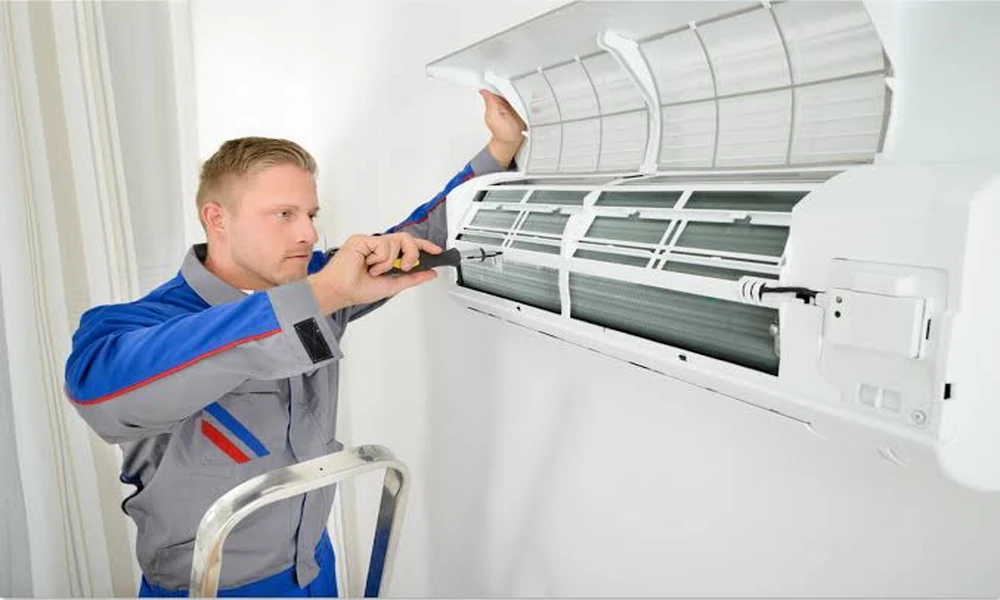
Summer heat places significant demands on residential cooling systems, making air conditioner maintenance more important than ever. Homeowners who invest in professional AC services in Arlington, WA, can often prevent costly breakdowns and improve overall system performance before peak temperatures arrive. Unfortunately, many people overlook routine maintenance until a problem develops, leading to expensive air conditioning repairs, higher energy bills, and reduced indoor comfort.
Understanding how to prevent common AC issues is one of the most effective ways to protect your investment and extend the lifespan of your cooling system. From replacing air filters and maintaining proper airflow to scheduling seasonal inspections, preventative maintenance helps keep your air conditioner running efficiently throughout the summer. Taking proactive steps today can save money, improve energy efficiency, and ensure reliable cooling when you need it most.
Replace or Clean Air Filters Regularly
Air filters play a crucial role in maintaining airflow and indoor air quality. When filters become clogged with dust, dirt, and debris, the air conditioner must work harder to circulate cool air throughout the home.
Restricted airflow can cause several problems, including:
- Reduced cooling efficiency
- Higher energy consumption
- Increased wear on system components
- Frozen evaporator coils
- Poor indoor air quality
Most filters should be checked monthly during periods of heavy use and replaced or cleaned according to the manufacturer’s recommendations.
Keep the Outdoor Unit Clear
The outdoor condenser unit is exposed to the elements year-round. Leaves, grass clippings, dirt, and other debris can accumulate around the unit and restrict airflow.
To maintain proper operation:
- Keep at least two feet of clearance around the condenser.
- Trim nearby shrubs and plants.
- Remove leaves and debris regularly.
- Gently rinse the unit with a garden hose when necessary.
Proper airflow allows the system to release heat efficiently, reducing stress on critical components and helping prevent premature failure.
Pay Attention to Unusual Warning Signs
Air conditioning systems rarely fail without warning. Many repairs can be avoided when homeowners recognize early signs of trouble and address them promptly.
Common warning signs include:
- Strange noises such as grinding, rattling, or squealing
- Weak airflow from vents
- Warm air coming from the system
- Frequent cycling on and off
- Unusual odours
- Higher-than-normal energy bills
Ignoring these symptoms can allow minor issues to become major repairs. If you notice any of these warning signs, it is wise to arrange an inspection as soon as possible.
Maintain Consistent Thermostat Settings
Many homeowners frequently adjust thermostat settings in an attempt to cool their homes more quickly. However, dramatic temperature changes can place unnecessary strain on the system.
A programmable or smart thermostat can help maintain consistent indoor temperatures while reducing energy usage. By setting realistic cooling schedules, the system operates more efficiently and experiences less wear over time.
Maintaining stable temperatures also improves comfort and helps prevent excessive workload during the hottest parts of the day.
Check and Seal Air Leaks
Even a well-maintained air conditioner can struggle if cooled air escapes through leaks in the home. Gaps around doors, windows, and ductwork force the system to work harder to maintain desired temperatures.
Simple improvements such as weatherstripping, caulking, and duct sealing can significantly improve efficiency. Reduced air leakage means the air conditioner runs less frequently, lowering both operating costs and the likelihood of costly repairs.
Avoid Overworking Your AC System
Every air conditioner has limits. During extreme heat, homeowners can reduce system strain by taking additional steps to keep indoor temperatures manageable.
Consider these practical strategies:
- Close blinds and curtains during the hottest hours.
- Use ceiling fans to improve air circulation.
- Limit heat-producing appliances during the day.
- Keep doors and windows closed when the AC is running.
- Ensure attic insulation is adequate.
These measures help reduce cooling demands and allow the system to operate more efficiently.
Schedule Professional Maintenance Annually
Routine professional maintenance remains one of the most effective ways to prevent expensive repairs. During a maintenance visit, technicians inspect key components, clean essential parts, test system performance, and identify potential issues before they escalate.
Professional inspections often include:
- Checking refrigerant levels
- Inspecting electrical connections
- Cleaning evaporator and condenser coils
- Testing thermostat accuracy
- Lubricating moving parts
- Evaluating overall system performance
Many costly breakdowns originate from small issues that could have been corrected during a routine service appointment.
Regular preventative maintenance helps extend the lifespan of your air conditioning equipment, improve energy efficiency, reduce operating costs, and minimize the risk of unexpected breakdowns during the hottest months of the year.
Protect Your Investment
Air conditioning systems represent a significant investment in home comfort. Like any major appliance, they require ongoing care to perform at their best. Preventive maintenance costs far less than emergency repairs or premature system replacement.
Taking a proactive approach not only reduces repair expenses but also improves comfort, efficiency, and reliability throughout the summer season.
Conclusion
Expensive air conditioning repairs are often preventable with proper maintenance and early intervention. Simple actions such as changing filters, keeping the outdoor unit clean, monitoring system performance, and scheduling professional inspections can dramatically reduce the risk of breakdowns.
By addressing small issues before they become major problems, homeowners can enjoy reliable cooling, lower energy bills, and greater peace of mind during the hottest months of the year. Investing a little time and effort in preventative care today can help avoid significant repair costs tomorrow while ensuring your home remains comfortable all summer long.
