

Hearing that your pet may have cancer changes the air in the room. You may still be replaying the first lump you felt, the weight loss you tried to explain away, or the phone call that told you more testing is needed. Then comes a new phrase, cancer staging, and suddenly you are expected to make sense of scans, lab work, and treatment plans while worrying about the animal who trusts you most. At an animal hospital in Mississauga, ON, this process can feel a little less overwhelming with the right support.
A staging evaluation gives your veterinary team a clearer picture of where the cancer is, how far it has spread, and what treatment makes sense. That matters because two pets with the same tumor type may need very different care. 5 parts of a pet’s cancer staging evaluation usually include a full physical exam, blood and urine testing, imaging, sampling of the tumor or lymph nodes, and a review of the findings to assign a stage and guide treatment.
A pet cancer staging evaluation shows what the disease is doing now
The hardest part is often the waiting. You know something is wrong, but you do not yet know how wrong. Staging is the process that fills in those blanks. Veterinary oncology programs such as NC State’s overview of cancer staging explain that staging is used to determine the extent of disease before treatment starts.
This is where an animal hospital looks beyond the original mass. A skin tumor may be visible, but cancer can also affect nearby lymph nodes, the lungs, the liver, or bone. If a pet starts treatment without staging, you risk making decisions with only part of the story. That can lead to spending money on surgery that will not solve the larger problem, or delaying treatment that could help sooner.
The physical exam and medical history set the direction
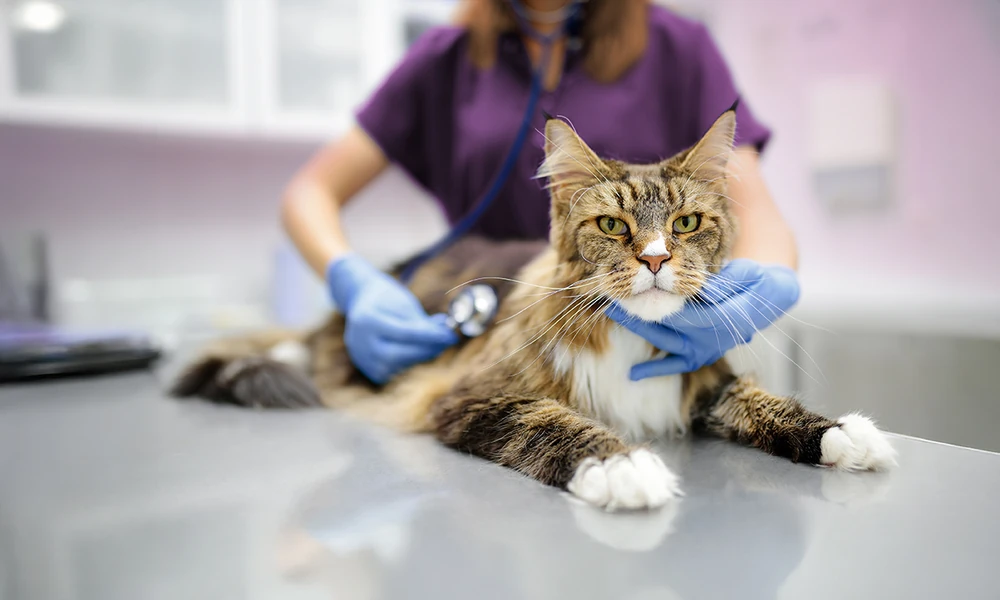
The first part is often the simplest, and it still carries weight. Your veterinarian checks the tumor’s size and location, feels lymph nodes, listens to the heart and lungs, and asks about appetite, energy, vomiting, diarrhea, coughing, weight loss, and pain. Small details matter. A dog with a limb mass and new limping raises different concerns than a cat with a mouth tumor who has stopped grooming.
This exam helps the team decide which tests are worth doing first. It also shows how well your pet may handle anesthesia, surgery, chemotherapy, or radiation. A staging workup is not only about the cancer. It is also about the patient living with it.
Bloodwork and urinalysis reveal health issues you cannot see
The second part is lab testing. Bloodwork and urine testing check organ function, hydration, infection, anemia, and other conditions that can affect treatment choices. Some cancers also change calcium levels, white blood cell counts, or kidney values.
If you are wondering why this matters when the tumor is the main concern, think about a dog who needs surgery but has hidden kidney disease, or a cat who may benefit from chemotherapy but already has low red blood cells. Those problems do not always change the diagnosis, but they can change the safest path forward. Cornell’s discussion of diagnosis and staging reflects this broader goal of identifying both the cancer and the pet’s overall condition.
Imaging checks for spread to the chest, abdomen, and other tissues
The third part is imaging. This may include chest X rays, abdominal ultrasound, CT, MRI, or other scans depending on the tumor type. Many cancers spread in patterns. Some commonly move to the lungs. Others affect abdominal organs or nearby bone.
Imaging often answers the question you are afraid to ask out loud. Has it spread? Sometimes the answer is no, and that can open the door to surgery with a clearer goal. Sometimes the scan shows changes elsewhere, which may shift the focus from cure to control and comfort. That is painful news, but it is still useful news because it keeps you from making choices based on hope alone.
Sampling the tumor and lymph nodes confirms what cells are present
The fourth part is collecting cells or tissue. This can involve a fine needle aspirate, biopsy, or sampling a nearby lymph node even when it does not feel enlarged. A mass can look one way on the surface and behave very differently under the microscope.
This step confirms the cancer type and often the grade, which describes how aggressive the cells appear. Illinois Veterinary Medicine’s oncology service explains how veterinary oncology care relies on this kind of diagnostic detail to guide treatment planning. A low grade mast cell tumor may be managed very differently from a high grade one, even if both started as small skin lumps.
Stage assignment and treatment planning turn test results into a plan
The fifth part is putting everything together. Your veterinary team reviews the exam, lab results, imaging, and pathology report to assign a stage. This is the point of a pet cancer workup. It turns scattered information into a plan you can actually use.
That plan may include surgery, chemotherapy, radiation therapy, palliative care, or a mix of options. It should also include prognosis, expected side effects, follow up needs, and cost. This is where many families feel torn. You want more time, but you also want your pet to feel like themselves. A good staging review supports both goals by showing what each option is likely to achieve.
Common parts of a veterinary cancer staging process and what they add
| Part of evaluation | What it looks for | How it helps treatment decisions |
|---|---|---|
| Physical exam and history | Tumor size, pain, lymph node changes, weight loss, breathing issues | Sets priorities and shows how the pet is functioning day to day |
| Bloodwork and urinalysis | Organ function, anemia, infection, hydration, hidden illness | Shows whether surgery, chemo, or anesthesia is safe |
| Imaging | Spread to lungs, abdomen, bone, or nearby structures | Distinguishes localized disease from metastatic disease |
| Cytology or biopsy | Cancer type and grade | Guides the choice between surgery, drug therapy, radiation, or monitoring |
| Stage review and plan | Overall extent of disease and likely outcome | Helps you weigh benefit, burden, timing, and cost |
Three steps you can take right away at an animal hospital
Ask for the goal of each test. You do not need to nod through a list you do not understand. Ask what each test is checking for and how the result could change treatment. That keeps the veterinary cancer staging process focused and prevents confusion later.
Write down changes at home. Track appetite, water intake, coughing, bathroom habits, sleep, mobility, and pain signs. These details help your veterinarian connect test results to your pet’s real quality of life.
Request a full treatment discussion after staging is complete. Ask about best case, likely case, side effects, number of visits, cost range, and comfort focused options. A clear plan is easier to handle than vague possibilities.
You do not have to understand everything on day one. You do need a team that explains what they are seeing and why it matters. A careful staging evaluation at an animal hospital gives you the facts you need to make kind, grounded choices for your pet, one step at a time.
