

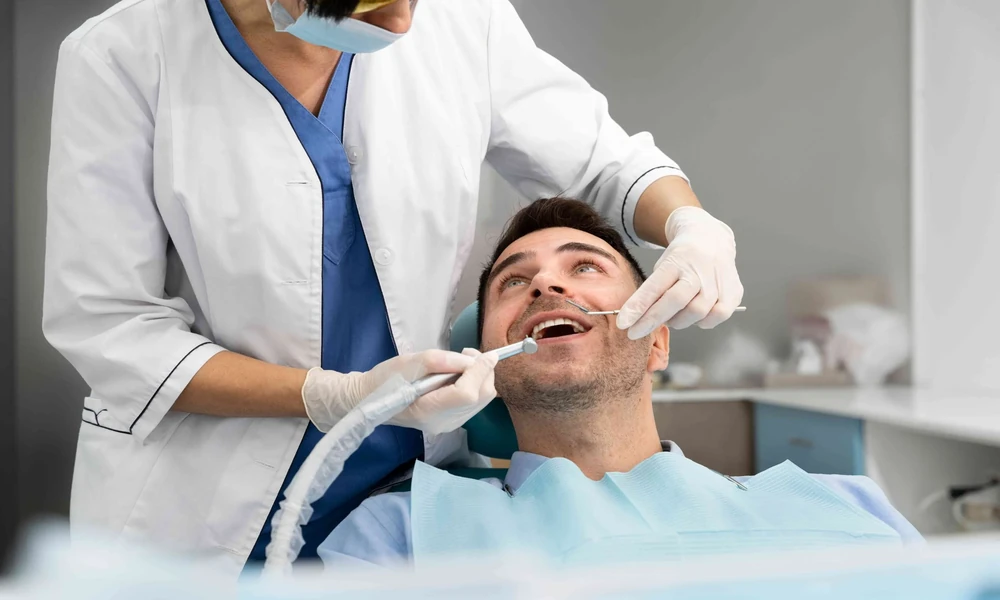
You might be feeling torn every time you sit in a dental chair. On one hand, you want strong, healthy teeth. On the other, you worry about what is going into your mouth and your body during those treatments. Maybe you have heard concerns about mercury in fillings, harsh chemicals, or fluoride, and now every cleaning or filling comes with a small knot in your stomach. A holistic dentist in Spring, TX can help ease those concerns by focusing on more biocompatible materials and treatments.
If that sounds familiar, you are not alone. Many people sense that traditional care keeps their teeth intact, yet they wonder about the long term impact on their overall health. Because of this tension, you might be curious about non toxic dental treatments, but you do not want to trade safety for effectiveness, or comfort for uncertainty.
Here is the short version. Thoughtfully chosen, biocompatible materials and gentler methods can still protect your teeth from decay, support gum health, and ease anxiety, while reducing your exposure to certain metals and chemicals. A careful, whole body approach does not reject modern dentistry. It simply asks better questions about what goes into your mouth and why.
So where does that leave you when you are trying to make the best choice for your teeth and your health at the same time.
Why do traditional dental materials make you uneasy in the first place
For many people, the concern starts with fillings. Dental amalgam is a common material that has been used for decades. It contains a mix of metals, including mercury. The FDA explains how dental amalgam fillings are regulated and where caution may be needed, especially for certain higher risk groups. Reading information like that can make you pause.
You might also question fluoride. You may have heard that it protects teeth from cavities, yet you have also seen online debates that make you wonder if it is safe at all. Public health sources, such as the CDC, describe how fluoride helps prevent tooth decay, but if you are sensitive to chemicals or simply cautious, you may want more control over how and when it is used in your care.
Then there are sealants, whitening agents, and bonding materials. Modern products are effective, yet you may not always know what is in them. The National Institute of Dental and Craniofacial Research explains how dental sealants protect against cavities, which is reassuring, but you might still want reassurance that the specific products used on you are compatible with your body and your values.
Because of all this, you may find yourself delaying needed care, ignoring that sensitive tooth, or skipping cleanings. That avoidance can create bigger problems, both financially and physically.
How can non toxic dental care ease both health worries and everyday stress
The heart of non toxic dentistry is not fear. It is alignment. It asks how to support oral health while respecting the rest of your body and your peace of mind. This is where a thoughtful, whole person approach from a Holistic General Dentist can make a real difference.
Consider a few common concerns.
You may be worried about metal fillings. A less toxic approach often favors tooth colored composite or ceramic restorations instead of traditional amalgam for new fillings. These materials can blend with your teeth and reduce exposure to certain metals. When older metal fillings need to be replaced, a careful dentist can use specific safety steps to minimize additional exposure during removal.
You might be sensitive to chemicals. Some patients notice headaches, skin reactions, or general fatigue after certain procedures. A more cautious dental approach will often screen materials for biocompatibility, choose products with fewer reactive ingredients when possible, and keep detailed records of what has been used in your mouth. That level of attention can feel calming when your body tends to react strongly to things.
You may feel anxious about every visit. Knowing that your dentist is willing to discuss the ingredients in your fillings, sealants, or whitening gels, and adjust the plan based on your comfort, can lower that anxiety. You are not being “difficult.” You are being careful, and that is reasonable.
So what are the key advantages of choosing less toxic dental options when they are available and appropriate for your situation.
What are the 3 key advantages of choosing non toxic dental treatments
There are many reasons people move toward safer materials and methods, but three benefits come up again and again.
1. Reduced exposure to certain metals and chemicals
The first advantage is simple. You may reduce your exposure to selected substances that concern you. That can include avoiding new mercury containing fillings, limiting certain preservatives or additives, and choosing gentler options for whitening or bonding when they are suitable.
Reducing this exposure does not mean rejecting all modern methods. It means having a thoughtful conversation about what is necessary, what is optional, and what alternatives exist. For someone who is pregnant, has auto immune conditions, or is simply cautious, that conversation can bring real relief.
2. Support for whole body health, not just teeth
Your mouth is not separate from the rest of your body. Inflammation in your gums can affect your heart and blood sugar. Untreated infections can strain your immune system. Non toxic dental care takes this connection seriously. It aims to treat decay and gum disease with methods that consider both local and systemic impact.
This might mean choosing materials that are less likely to trigger inflammation, selecting cleaning methods that are firm yet gentle on tissues, and being careful about possible interactions with your medical conditions or medications. Over time, that can support not only your smile, but your energy, sleep, and overall comfort.
3. Greater peace of mind and long term trust
An often overlooked advantage is emotional. When you feel heard about your concerns, and you know your dentist is willing to explain options and ingredients, you tend to relax. That peace of mind can reduce dental anxiety and help you keep up with preventive care instead of postponing it.
Trust grows when your dentist is transparent about benefits, risks, and unknowns. You are then more likely to follow through with cleanings, x rays when needed, and early treatment. Over time, that can lower your risk of emergencies and costly restorative work.
How do non toxic treatments compare to more traditional options in everyday life
You might still be wondering how this actually plays out in a real appointment. What changes and what stays the same. The table below offers a simple comparison between a more conventional approach and a more cautious, lower toxicity approach for common care. This is not a strict rulebook, just a practical overview.
| Treatment Area | More Traditional Approach | Less Toxic Focused Approach |
|---|---|---|
| Fillings | Amalgam or composite, limited discussion of material content | Preference for composite or ceramic, attention to metal exposure and material compatibility |
| Preventive care | Standard fluoride treatments, routine sealants for children | Fluoride use tailored to risk level, careful choice of sealant materials and ingredients |
| Whitening | Stronger bleaching gels for faster results | Gentler whitening options, attention to sensitivity and gum irritation |
| Material selection | Focus on durability and cost | Balance of durability, body compatibility, and patient sensitivities |
| Patient experience | Emphasis on fixing the problem tooth | Emphasis on whole body impact, long term health, and patient comfort |
Seeing it side by side, you can notice that many of the tools are similar. The difference is the questions that are asked before choosing them and the level of care given to your overall wellbeing.
What practical steps can you take if you want safer, gentler dental care
You do not need to change everything at once. Even a few clear steps can move you toward care that feels more aligned with your values and your health.
1. Ask your dentist specific questions about materials
Instead of a general “Is this safe” try questions like “What materials are you planning to use for this filling” and “Are there metal free or lower chemical alternatives that would still work well for my tooth.” A good general dentist who values safer care will welcome those questions and explain your options in plain language.
2. Review your medical history and sensitivities in detail
Before treatment, share any history of allergies, auto immune issues, chemical sensitivities, or chronic fatigue. Make sure this is written in your chart. Ask how that information will influence the choice of anesthetic, filling material, and preventive products. The more your dentist understands your body, the better they can match treatments to your needs.
3. Take a preventive first approach at home
Non toxic care is not only about what happens in the chair. It also involves daily habits that reduce the need for invasive procedures. Commit to consistent brushing, flossing, and mindful food choices. Discuss with your dentist which at home products are both effective and aligned with your comfort level regarding ingredients. Preventing decay and gum disease is one of the safest things you can do for your mouth and your body.
Where do you go from here if you want non toxic dental treatments you can trust
If you have felt caught between wanting strong teeth and worrying about what treatments might do to the rest of your body, that tension makes sense. You are trying to protect yourself on more than one level. The good news is that you do not have to choose between effective care and thoughtful, lower toxicity options.
By asking clear questions, seeking a dentist who respects your concerns, and focusing on prevention, you can enjoy the three key advantages of non toxic dental care. Less exposure to certain metals and chemicals, better support for your whole body, and a calmer mind every time you open your mouth in the dental chair.
You deserve care that treats you as a whole person, not just a set of teeth. Your next step is simple. Start a conversation with a dentist who understands that goal and is willing to work with you to reach it.
