

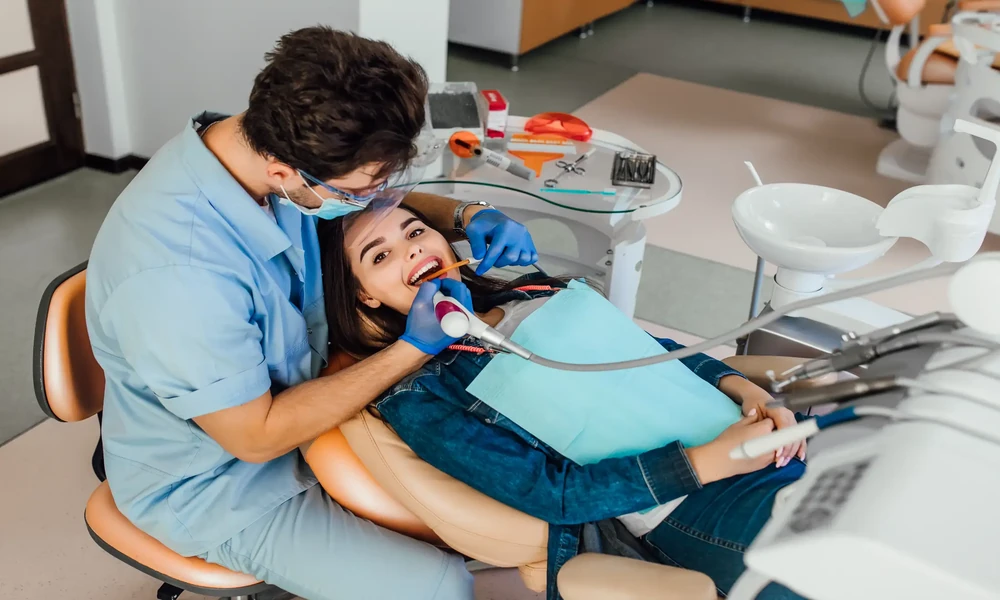
You might be feeling self conscious every time you see a photo of yourself or catch your reflection in a shop window. Maybe your teeth look more yellow than they used to, coffee stains are not brushing off, and drugstore whitening strips have let you down. You are not being vain. A smile is one of the first things people notice, and when you do not like yours, it can quietly affect how you speak up at work, how you show up in social situations, even how you feel about yourself at home. A qualified dentist in Skokie, IL can help you explore whitening options that are safe, effective, and tailored to your needs.
Because of this, you may be wondering if professional teeth whitening is really worth it, or if it is just a more expensive version of what you can buy over the counter. The short answer is that a trained general and cosmetic dentist can offer safer, stronger, and more predictable whitening than anything you can do alone at home. Professional whitening can brighten your smile, help protect your oral health, and give you a confidence boost that actually lasts, instead of fading after a week.
So where does that leave you. It helps to slow down, understand what is making your teeth look darker, and then see how professional teeth whitening by a dentist can fit into a bigger plan for your mouth and your confidence.
Why do teeth lose their brightness and why does that feel so frustrating?
Most people do not wake up one day with dark teeth. It creeps in over time. Morning coffee, evening tea, red wine, certain sauces, smoking, and even some medications can all stain the outer layer of the tooth. Age also plays a role. As the enamel thins, the darker inner layer of the tooth shows through more, which can make teeth look yellow or gray even if you brush well.
Emotionally, this can feel unfair. You might think you are doing what you are “supposed” to do. You brush, maybe you floss most days, you try a whitening toothpaste, yet your smile still does not match how you want to present yourself. That gap between how you feel inside and what you see in the mirror creates a quiet tension. You may smile with your lips closed in photos or avoid video calls. Over time, that adds up.
Because of that frustration, many people reach for quick fixes. Whitening strips, pens, and online “hacks” promise dramatic results at home. Some of these can help a bit, but they also come with hidden limits and risks. They are usually weaker, less controlled, and not tailored to your teeth or your health. If you already have sensitive teeth, gum recession, fillings, or crowns, the wrong product can make things worse.
So what changes when you work with a general and cosmetic dentist instead of going it alone.
Benefit 1: How does professional whitening give safer and more predictable results?
One of the biggest advantages of dentist supervised teeth whitening is safety. Before any whitening is done, your dentist examines your teeth and gums. They check for cavities, cracks, gum disease, and exposed roots, all of which can make whitening painful or even harmful if ignored. Over the counter products skip this step, so they treat every mouth the same, even when it is not safe to do so.
In a professional setting, the whitening gel is stronger and more carefully controlled. Your gums and soft tissues are protected. The dentist can adjust the strength and contact time based on your history of sensitivity and your goals. That means fewer surprises, less chance of “zingers” or intense sensitivity, and a result that is even from tooth to tooth, not patchy or streaked.
If you want to understand the basics of how whitening agents work and what the American Dental Association says about them, you can review this explanation of teeth whitening methods and products. It gives a good foundation for the science behind what your dentist uses.
Benefit 2: How can a brighter smile through a dentist change your confidence day to day?
It is easy to dismiss whitening as “just cosmetic,” yet anyone who has lived with a smile they do not like knows it touches more than looks. When your teeth are noticeably stained, you may hold back from laughing or speaking up. You might feel older than you are. You might worry people are judging your hygiene, even if you are doing your best.
Professional whitening through a general and cosmetic dentist can often brighten teeth by several shades in a relatively short time. That visible change can create a very real shift in how you carry yourself. You may find it easier to make eye contact, to smile in photos, or to walk into a meeting without that nagging self doubt. For some people, whitening is the first step that motivates them to keep better daily habits, because they want to protect their new smile.
Imagine two scenarios. In the first, you use random strips from the store. After two weeks, your teeth look slightly better in some areas, but your sensitive tooth in the back aches and your gums feel irritated. You stop early and feel you “wasted” money. In the second, your dentist custom fits whitening trays, explains what to expect, and checks your progress. When sensitivity shows up, they adjust your plan and add a desensitizing product. You finish the process and feel proud of the result. Same goal. Very different experience.
Benefit 3: How does professional whitening support your long term oral health?
Whitening itself is about color, not structure, so it does not “strengthen” the tooth like fluoride does. However, having a dentist involved turns whitening into an entry point for better oral care overall.
During whitening visits, your dentist and hygienist often clean your teeth, review your brushing technique, and talk about habits that stain teeth. This can lead to earlier detection of cavities, gum disease, or worn fillings. It also creates space to talk about other options, like bonding or veneers, if stains are internal or if there are chips and cracks that whitening alone cannot fix.
There is also the question of which products around whitening are truly helpful. For example, many people use mouthwash thinking it will whiten their teeth. Most do not. The American Dental Association has guidance about choosing the right mouthrinse or mouthwash for your needs, whether that is fresh breath, cavity prevention, or gum health. Your dentist can help you match products to your mouth so that everything you use works together rather than against your whitening goals.
Over time, that kind of guidance protects more than your smile color. It protects your gums, your enamel, and your overall oral health.
How does professional whitening compare to DIY options in real life?
When you are deciding between doing it yourself and seeing a dentist, you are really weighing cost, time, safety, and the quality of the result. It can help to see those side by side.
| Factor | At Home Whitening Products | Professional Whitening By A Dentist |
|---|---|---|
| Initial Cost | Lower per box or kit, but may require repeated purchases for modest change | Higher upfront, often fewer sessions for a stronger and longer lasting result |
| Strength of Whitening Gel | Weaker formulas to protect the general public, slower and less predictable change | Stronger, prescription level gels used under supervision for more significant whitening |
| Safety & Gum Protection | One size fits all trays or strips, greater risk of gel touching gums and causing irritation | Custom trays and in office barriers to protect gums and soft tissues |
| Customization | No adjustment for existing dental work, sensitivity, or uneven staining | Plan tailored to your teeth, restorations, and sensitivity level |
| Speed of Results | Gradual change over weeks, often subtle | Noticeable brightening within one or a few visits, depending on method |
| Professional Oversight | None. Problems like pain or white spots can go unchecked | Regular checks so issues are caught early and whitening can be paused or adjusted |
If you want more context on what dentists look at when they recommend cosmetic or whitening treatments, the American Dental Association has information on tooth whitening options and safety. Reading that before your appointment can help you ask clearer questions and feel more prepared.
What should you do now if you are considering professional whitening?
Once you understand the benefits, the next step is turning that knowledge into action that feels manageable. You do not need to overhaul everything at once. You can start with a few focused moves.
1. Schedule a whitening consultation with a general and cosmetic dentist
Begin with a simple evaluation, not a commitment to treatment. During that visit, share what bothers you about your teeth, what you have tried already, and any sensitivity or dental history you have. Ask the dentist what kind of stains you have, how many shades of change are realistic, and which whitening methods they recommend for your mouth.
2. Ask for a personalized whitening and maintenance plan
If whitening is appropriate, request a clear plan. That should include how many in office sessions or how long to use take home trays, what you can expect to feel, and how to handle any sensitivity. Just as important, ask how to maintain the result. Your dentist can suggest specific brushing habits, timing of coffee or wine, and follow up visits so your brighter smile lasts.
3. Support your whitening with everyday habits at home
Professional whitening works best when your daily care supports it. Use a soft bristle toothbrush, fluoride toothpaste, and floss or interdental cleaners each day. Rinse with water after dark colored drinks. If you use mouthwash, choose one that supports your dentist’s goals for your teeth and gums. This kind of steady care helps protect both the color and the health of your teeth so your cosmetic dental treatment continues to feel worth it months and years later.
Moving forward with a smile that feels more like you
You do not have to keep hiding your smile or settling for products that give only small, uneven changes. With thoughtful professional tooth whitening guided by a trusted general and cosmetic dentist, you can brighten your teeth in a way that respects both your appearance and your health.
The path is not about chasing perfection. It is about closing the gap between how you feel inside and what you see when you look in the mirror, so you can speak, laugh, and show up without that constant second guessing. Taking the first step, even if it is just a conversation with a dentist, can move you from frustration to a clearer plan and a smile you feel comfortable sharing.
