

You might be feeling a little worn out by the nightly brushing battles. Maybe your child clamps their mouth shut, your teenager rushes through brushing in twenty seconds, or you are juggling everyone’s routines and your own teeth end up last on the list. You know oral health matters, yet getting your family to brush well at home can feel like a constant struggle. A visit to a dentist in Crest Hill, IL can provide personalized tips and support to make those routines easier and more effective.
Because of that tension, you might wonder if a family dentist can actually make things easier, or if it is just one more appointment on an already full calendar. The short answer is that good family dentistry does much more than clean teeth. It gives you tools, language, and a plan that make brushing at home simpler and less stressful.
By the end, you will see how a trusted family dental team can help you choose the right brushes and pastes, teach age specific brushing tricks, and support you when things are not working at home, so brushing starts to feel more doable for everyone, most days.
Why does brushing at home feel so hard for families?
Start with the reality. You are busy. Mornings are rushed. Evenings are packed with homework, practices, and bedtime routines. Brushing is important, but it competes with everything else.
On top of that, every family member is different. A toddler may chew on the toothbrush instead of brushing. A grade schooler might “forget” and insist they already brushed. A teen may roll their eyes at any reminder. If you also have your own dental worries or past bad experiences, you might feel a mix of guilt and frustration when you try to enforce brushing.
So where does that leave you? Often it leads to quick fixes. You buy a random electric toothbrush, threaten extra screen time loss if they do not brush, or trust that a fast swish with mouthwash is “good enough.” In the moment, it feels like survival. Over time, it can lead to cavities, gum problems, and more expensive treatment.
How can a family dentist turn this around?
This is where family dental care at home really begins in the office. A thoughtful family dentist understands that brushing is not just a technique problem. It is a habit problem, a personality problem, and sometimes a fear problem.
Imagine a visit where the dentist or hygienist:
• Shows your child how much plaque is left behind with a harmless disclosing tablet, so they can “see” what they missed.
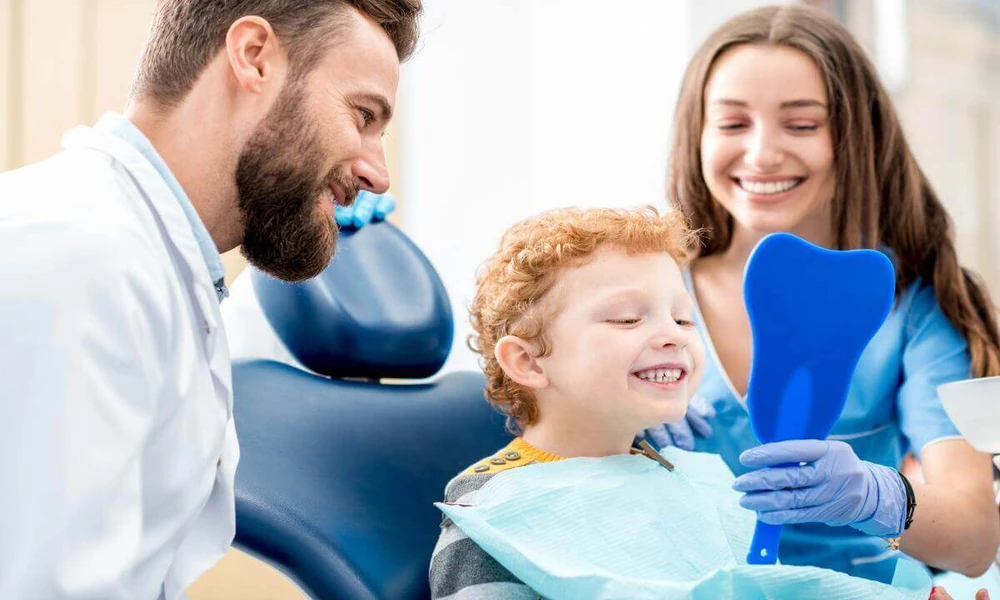
• Uses a small mirror and simple words to teach in kid friendly ways, similar to the tips the CDC shares for helping children brush effectively.
• Talks with your teen directly about breath, appearance, and sports performance, so brushing connects to what they care about.
• Asks you about your routine, your schedule, and what has or has not worked, instead of just saying “brush twice a day.”
Because you are seen as a whole family, the dentist can tailor advice. For example, if your child gags on mint toothpaste, they might suggest a different flavor. If someone has braces, they can show special angles and tools. If there is a history of cavities, they can recommend fluoride options that fit your comfort level.
What specific tools and guidance can make home brushing easier?
Family dentistry supports easier at home brushing in several concrete ways. These are not fancy tricks. They are small changes that are easier to stick with.
1. The right brush for the right mouth
A family dentist looks at mouth size, gum sensitivity, and manual skills. Young children often need a small, soft brush head. Some kids and adults do better with an electric brush because the built in timer and motion do part of the work. The dentist can show you exactly how to angle the bristles and how much pressure to use so brushing is effective but not painful.
2. Toothpaste and fluoride choices that fit your family
Many parents are unsure how much toothpaste children should use, or when to start fluoride. This is where clear, simple guidance matters. Resources such as MedlinePlus on brushing and flossing correctly match what a good family dentist will reinforce, then personalize for your child’s age and health history.
3. Visuals, stories, and routines
Some kids respond to charts and stickers. Others like stories about “sugar bugs” or “superhero teeth.” A family dentist can offer handouts, apps, or simple phrases you can repeat at home so you are not inventing everything on your own. They can help you tie brushing to predictable routines, like “after breakfast and before story time,” which is easier for children to remember.
4. Ongoing feedback, not one time lectures
Because you see the same team regularly, they can track what is working. If your child still has cavities despite brushing, they can suggest changes in timing, snacks, or technique. If your teen starts taking better care of their teeth, the dentist can reinforce that progress, which often means more than a parent’s reminder.
Is it worth focusing on home brushing if we already see the dentist twice a year?
It is easy to think that professional cleanings are enough. Yet cavities and gum disease build up from daily habits. The office visit is like a reset and review. What happens at home is what protects that investment.
Here is a simple comparison to show how home brushing and professional support work together.
| Aspect | Home Brushing Without Guidance | Home Brushing With Family Dentist Support |
|---|---|---|
| Technique | Often rushed or inconsistent. Children may miss back teeth and gumlines. | Specific instructions and demonstrations. Better coverage of hard to reach areas. |
| Tools | Brush and paste chosen at random or based on ads. | Brushes and pastes matched to age, sensitivity, braces, or cavity risk. |
| Motivation | Driven by nagging or threats. Leads to power struggles. | Boosted by praise from dental team and age appropriate education. |
| Cost Over Time | Higher risk of fillings, extractions, and emergency visits. | Better chance of fewer cavities and lower long term costs. |
| Stress Level | Frequent fights at bedtime or rushed mornings. | Clear routines and expectations. Less arguing, more cooperation. |
When you combine home effort with professional guidance, you are not aiming for perfection. You are aiming for “good enough, most of the time,” which is realistic and protective.
What can you start doing today to make brushing easier at home?
You do not need to overhaul everything at once. A few focused changes can shift the energy around brushing for you and your family.
1. Pick one simple routine and stick to it
Choose clear brushing times, for example “after breakfast” and “right before bed.” Make those non negotiable, but keep the rest flexible. If bedtime is late, brushing still happens, even if it is shorter. Consistency matters more than perfection. For younger kids, pair brushing with something they enjoy, like a short song or story right after.
2. Use the “show then do” approach for kids
Instead of asking a child to brush alone, try this pattern. First, you brush their teeth for 30 to 60 seconds while they watch in the mirror. Then you hand them the brush and say, “Your turn to finish.” This keeps you in charge of quality, while giving them a sense of control. At your next family dentistry visit, ask the hygienist to model this so your child sees it as normal.
3. Bring your real struggles to your family dentist
At your next appointment, be honest. Say things like, “My child cries every time we brush,” or “My teen will not brush at night,” or “My gums bleed and I avoid brushing there.” A good family dental service is not there to judge you. They are there to help you problem solve. They may suggest different tools, shorter brushing “bursts,” or small changes in snacks and drinks that reduce damage even when brushing is not perfect.
Moving toward calmer, more confident brushing at home
You do not have to fight this battle alone or feel like a bad parent or partner when brushing is not going well. With the right support from a caring family dentist, home brushing can shift from a nightly argument to a shared habit that protects everyone’s health.
Bit by bit, with clear routines, the right tools, and honest guidance, your family can move toward fewer cavities, less guilt, and more confidence. The goal is not spotless teeth every single night. The goal is steady progress and a home where caring for teeth feels normal and manageable for everyone.
