

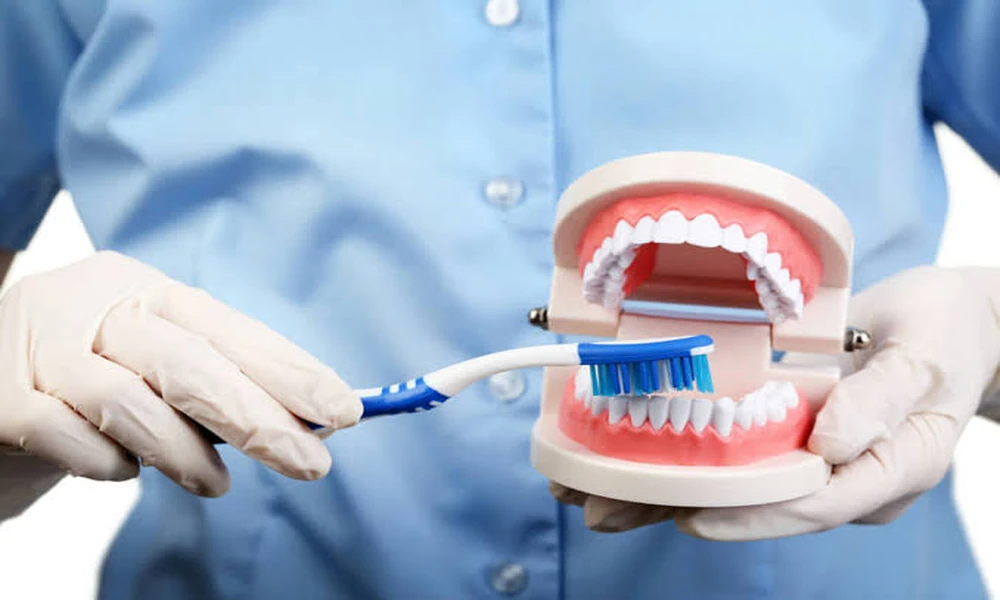
You might be feeling a little stuck right now. You tell your kids to brush, you try to keep up with your own checkups, yet someone in the family always seems to have a new cavity, a toothache, or an unexpected dental bill. With a trusted dentist in Valencia CA, it can feel less like you are constantly reacting to problems, and more like you are finally staying ahead of them.
At the same time, you probably sense that there has to be a calmer way to care for your family’s teeth. Something steadier and more predictable. That is where preventive dentistry comes in. It is not just about cleaning teeth. It is about building habits and routines that protect smiles from pregnancy through childhood and into older age, so fewer emergencies show up, and more confidence shows up instead.
So, where does that leave you today? In short, preventive care means regular checkups, cleanings, and simple protective treatments that cost less, hurt less, and save you from big problems later. It can feel like a quiet safety net for your whole family’s oral health.
Why do small dental problems feel so big for families?
Think about how a typical dental problem starts. A little sensitivity when you drink something cold. A bit of bleeding when you floss. A child who says their tooth “feels funny” at bedtime. It is easy to brush it off and hope it goes away, especially when you are juggling work, school, and a tight budget.
Then the story shifts. The sensitivity becomes pain. The “funny tooth” keeps your child awake at night. Suddenly, you are missing work, they are missing school, and you are sitting in a dental chair hearing words like “root canal” or “extraction.” The cost jumps. The stress jumps. The guilt shows up, too. You might catch yourself thinking, “If only we had gone in sooner.”
Because of this tension, many people start to feel afraid of the dentist. Not just because of the treatment, but because of surprise bills and the feeling that something has already gone wrong. That fear can lead to skipping routine visits, which only makes the cycle stronger.
Preventive dentistry breaks that cycle. Regular visits, cleanings, and early screenings turn big surprises into small adjustments. A general dentist who focuses on prevention is not just treating teeth. They are watching how your mouth changes over time, catching issues when they are simple and inexpensive to fix.
How does preventive care protect smiles across generations?
Oral health does not start when a child gets their first tooth. It starts much earlier. A mother’s health during pregnancy can affect the baby’s teeth and gums, and early habits at home can set a pattern that carries into adulthood.
For example, during pregnancy, hormone changes can increase the risk of gum disease and tooth decay. Many parents are unsure what is safe, so they avoid dental visits entirely, even when they are in pain. Yet research shows that regular dental care during pregnancy is safe, and it helps protect both parent and baby. Resources like this guide on oral health care during pregnancy explain how early care supports healthy development.
Once a child is born, preventive dentistry becomes a shared project. Fluoride, sealants, and early cleanings reduce cavities. Simple guidance on brushing, healthy snacks, and baby teeth care prevents many common problems. Programs highlighted by the Maternal and Child Health Bureau’s oral health initiatives show that when families get support early, kids miss fewer school days and have fewer urgent dental visits.
So, how does this protect generations of smiles? When children grow up seeing dental visits as routine, not scary, they are more likely to continue those habits as adults. They are also more likely to pass them on to their own children. One person’s choice to prioritize prevention can echo through an entire family tree.
Is prevention really cheaper and easier than fixing problems?
You may wonder if regular checkups and cleanings are worth the time and cost, especially if no one in the family is complaining of pain right now. It helps to compare what prevention looks like next to treatment after problems appear.
| Type of Care | What It Usually Involves | Typical Cost & Impact | Emotional Experience |
|---|---|---|---|
| Preventive dental care | Checkups, cleanings, X-rays, fluoride, sealants, early advice | Lower cost per visit, fewer emergencies, issues caught early | More predictable, less pain, builds trust and confidence |
| Reactive or emergency care | Fillings, crowns, root canals, extractions, urgent visits | Higher one-time costs, missed work or school, repeat visits | Stressful, often painful, rushed decisions under pressure |
| Skipping care entirely | No checkups, no cleanings, home care only | Short-term savings, long-term higher risk of major problems | Hidden worry, guilt, fear of “bad news” later |
When you look at it this way, you can see why people say that preventive dental care for families is one of the most cost-effective health choices you can make. You are paying for calm and control, not just for scraping and polishing.
Three practical steps you can take right now
You do not have to rebuild your entire routine overnight. Small, steady changes matter. Here are three focused steps that can make a real difference.
1. Put preventive visits on the calendar like any other important appointment
Schedule regular checkups for yourself and your children, usually every six months unless your dentist suggests a different rhythm. Treat those appointments the way you would treat a school exam or a work meeting. They are part of your health, not an optional extra.
If you feel nervous, tell the dental team in advance. A good general dentist will adjust the pace, explain what they are doing, and help you and your child feel more at ease. The more routine these visits become, the less emotional weight they carry.
2. Strengthen simple daily habits at home
Prevention does not live only in the dental office. It lives in your bathroom and your kitchen. Brush twice a day with fluoride toothpaste. Help young children brush until they can do it well on their own. Floss once a day, even if you start with just a few teeth and build up.
Look at snacks and drinks with a different eye. Frequent sugary drinks, sticky snacks, and constant grazing keep teeth under attack. Try to keep sweet treats to mealtimes and offer water in between. These are quiet changes that slowly reshape your family’s oral health story.
3. Plan ahead for dental costs so nothing feels like a shock
Money stress often sits under the surface of dental avoidance. If you can, review your insurance benefits or discount plan each year and understand what preventive services are covered. Many plans fully cover cleanings and exams. If you do not have coverage, ask dental offices about payment plans, membership programs, or community resources.
Setting aside even a small monthly amount in a savings envelope or account labeled “dental” can turn a surprise bill into a planned expense. It also sends a quiet message to your family. Their oral health is important enough to prepare for.
Carrying this forward for the next generation
You might still feel a mix of relief and worry. Relief that there is a way to get ahead of dental problems, and worry about whether it is too late or too hard to start. It is not too late. Teeth respond to care at every age. Habits can be reshaped. Fear can soften when experiences change.
Every time you choose preventive dentistry, you are not just protecting today’s smile. You are shaping how your children and grandchildren will think about their health. You are replacing panic with planning, pain with early care, and silence with honest conversations.
You deserve a future where dental visits feel routine, not like emergencies. A future where “Why Preventive Dentistry Protects Generations Of Smiles” is not just a phrase, but something you see in your own family photos, year after year.
