

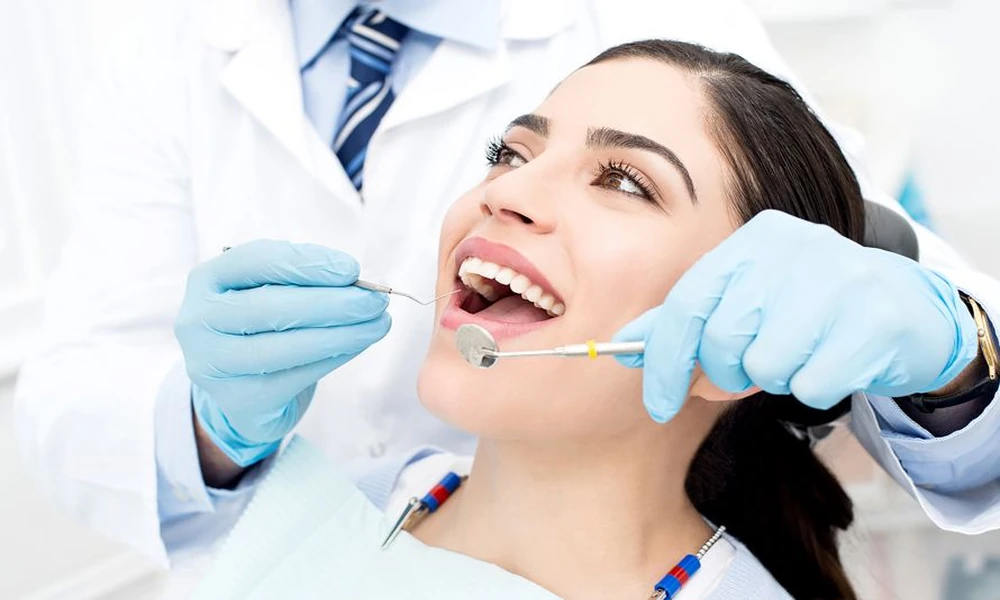
You might be feeling a mix of excitement and worry right now. Maybe you have a big event coming up, or you are simply tired of seeing chips, stains, or gaps every time you smile in the mirror. You have heard about bonding, veneers, whitening, or dental crowns in Fontana, and part of you thinks, “If I just fix my teeth, I’ll finally feel confident.” At the same time, another part of you wonders if you are missing something important about your dental health.end
This tension is very common. You want a beautiful smile, yet you do not want to spend money on cosmetic work that might not last, or worse, might cause problems later. Because of this, it helps to understand why preventive dentistry before cosmetic treatment is not a luxury. It is the foundation that protects your investment, your comfort, and your health.
In simple terms, here is the idea. Before you brighten or reshape your smile, your gums and teeth need to be clean, stable, and healthy. When that foundation is strong, bonding adheres better, veneers fit more comfortably, and whitening works more evenly, with less sensitivity and fewer surprises.
Why a “quick fix” on your smile can backfire without prevention
Picture this. You book a whitening session because you are tired of seeing yellow stains in photos. Your teeth look brighter for a while. Then a few weeks later you notice uneven color, a dark edge near the gumline, and sudden sensitivity to cold drinks. You might feel confused and even a little misled. What went wrong?
Often the problem is not the cosmetic treatment itself. It is what was hiding underneath. Plaque, tartar, early gum inflammation, tiny cavities, or worn enamel can all change how whitening gels or bonding materials behave. If those issues are skipped, the cosmetic result may look patchy or feel uncomfortable, and you may end up needing more work and more appointments.
The same can happen with veneers and bonding. If your bite is off, your enamel is already thin, or your gums are inflamed, the beautiful surface work is built on a shaky base. Veneers can chip, edges can feel rough, and gums can recede, exposing darker areas near the top of the tooth. Suddenly that “perfect smile” does not feel so perfect anymore.
So where does that leave you if you still want cosmetic dentistry, but you do not want regret down the road?
What does preventive care really do before veneers, bonding, or whitening?
Think of preventive dentistry as the quiet work that makes cosmetic treatment safer and more predictable. It is the cleaning, checking, and stabilizing that happens first, so that when you do decide on bonding, veneers, or professional teeth whitening, the results are smoother and more durable.
Here are a few key ways prevention supports cosmetic care.
1. It reveals hidden problems before they become expensive.
A thorough exam and cleaning can uncover small cavities, hairline cracks, or early gum disease that you may not feel yet. Treating those first means your dentist is not sealing decay under a veneer or bonding over a weak area. That alone can prevent root canals or replacements later.
2. It creates a clean, even surface for cosmetic work.
When plaque and tartar are removed, whitening agents reach the enamel more evenly and bonding materials adhere better. The result is a more uniform color, fewer streaks, and a smoother finish. The American Dental Association offers helpful guidance on how professional whitening should be approached safely, and a big part of that safety comes from starting on a clean, well evaluated mouth.
3. It reduces sensitivity and discomfort.
Teeth that are already sensitive or have exposed roots can react strongly to whitening gels or veneer preparation. When those underlying causes are treated first, sensitivity often decreases, and you can move through cosmetic treatment more comfortably. The ADA also explains when whitening is appropriate and when it should be delayed, which is another way preventive thinking protects you.
4. It aligns cosmetic goals with long term health.
Sometimes what you want visually and what your mouth can safely handle are slightly different. A careful preventive exam gives your dentist the full picture, so they can suggest options that match both your goals and your health. That might mean whitening first, then minor bonding. Or it might mean correcting gum issues before considering veneers. Either way, the plan is more tailored and less risky.
Cosmetic shortcuts vs preventive dentistry first: what is the real difference?
When you are weighing your options, it can help to see them side by side. You might be wondering if it really matters whether you choose a quick whitening kit or a full checkup with a General And Cosmetic Dentist before treatment.
| Approach | What It Looks Like | Short Term Outcome | Long Term Risk |
|---|---|---|---|
| Cosmetic treatment without preventive care | Skip exam and cleaning, go straight to whitening, bonding, or veneers | Fast visual change, but color may be uneven and teeth may feel more sensitive | Hidden decay or gum disease can worsen, cosmetic work may chip, stain, or need early replacement |
| Cosmetic treatment after basic preventive visit | Routine exam, X rays if needed, professional cleaning, home care review | Cosmetic result usually more even and comfortable | Lower chance of surprises, better bonding and veneer longevity |
| Cosmetic plan built on ongoing preventive habits | Regular checkups, consistent home care, careful timing of whitening and restorations | Steady improvement in both health and appearance | Healthier gums and enamel, fewer emergencies, cosmetic work tends to last longer |
If you are the kind of person who likes to take care of things once and not keep redoing them, the last two paths usually feel less stressful and more cost effective over time.
What can you do right now to protect your future smile?
When you are eager to change your smile, waiting for “one more appointment” can feel frustrating. The good news is that the steps that protect your cosmetic results are simple and very much in your control.
1. Get a preventive exam and cleaning before any cosmetic work
Before scheduling bonding, veneers, or whitening, book a visit focused on health. Ask for a full exam, including gum evaluation and X rays if they are due. Share openly that you are considering cosmetic treatment and want to make sure your mouth is ready. This conversation helps your dentist design a safer, more realistic plan.
2. Strengthen your daily home care now
Even the best cosmetic work relies on what you do at home every day. Brushing twice daily with fluoride toothpaste, cleaning between the teeth, and paying attention to your gums can make a real difference. The ADA has clear, practical guidance on how to care for your teeth and gums at home. Small changes now can reduce bleeding, sensitivity, and plaque before you ever sit in the chair for whitening or veneers.
3. Talk honestly about your expectations and budget
Cosmetic dentistry sits at the crossroads of emotions, finances, and health. You might want a “celebrity smile,” but your budget and your enamel might call for a more gradual approach. Ask your dentist to explain the pros and cons of each option, including how long it typically lasts, how it may age, and what maintenance looks like. When you understand the tradeoffs, you can choose cosmetic care that feels both exciting and sustainable.
Building a smile that looks good and stays healthy
A beautiful smile should not come at the cost of hidden pain, unexpected bills, or constant repairs. When preventive dental care before cosmetic treatment is treated as the first step instead of an afterthought, bonding, veneers, and whitening become more than a quick fix. They become part of a stable, thoughtful plan for your long term oral health.
You deserve to feel confident when you smile and calm when you sit in the dental chair. Starting with prevention is how you give yourself both.
