

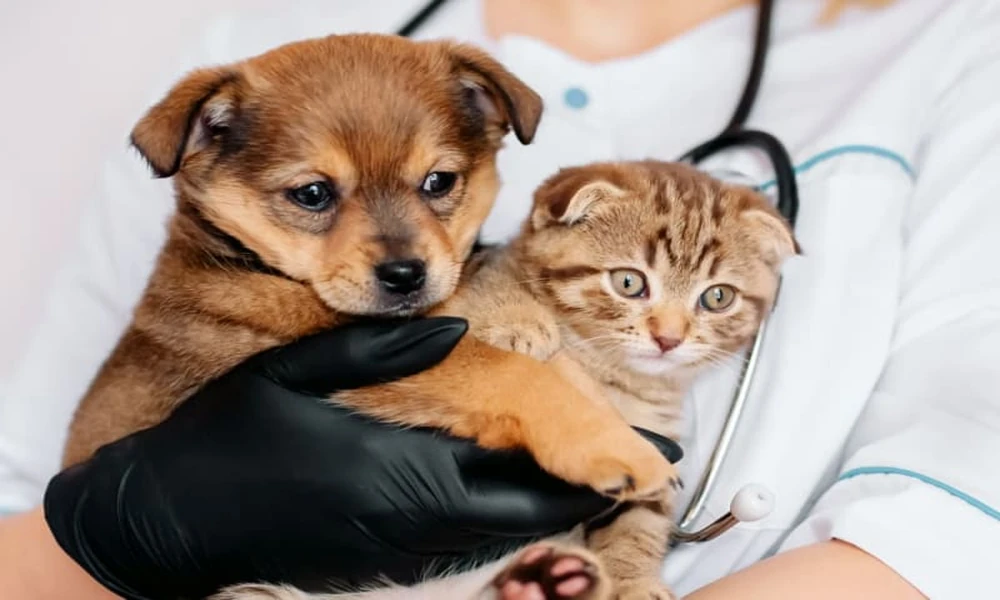
You might not think about a veterinary hospital until something goes wrong. A lost pet shows up on your block, a stray cat has kittens under a porch, or your own dog starts coughing and you worry about what that could mean for every animal nearby. In those moments, animal welfare stops feeling like a broad idea and starts feeling personal, urgent, and close to home. The good news is that veterinary hospitals, including a pet hospital in Sumter, do far more than treat sick pets. They help prevent disease, support responsible pet ownership, connect families with resources, and strengthen the safety net for animals across a community.
That is the heart of 5 Ways Veterinary Hospitals Improve Community Animal Welfare. When a hospital offers preventive care, public health guidance, outreach, emergency response, and support for underserved areas, the effect reaches well beyond the exam room. It touches pets, families, shelters, and even neighborhoods trying to care for animals with limited time and money.
Why does a veterinary hospital matter beyond one pet at a time?
It is easy to see a veterinary visit as a private matter between one family and one pet. But the impact rarely stays that small. When pets miss vaccines, parasites spread. When minor illnesses go untreated, they can become crises that cost more and create more suffering. When families do not know where to turn, animals may be surrendered, abandoned, or left without care. Because of that tension, you might wonder what a hospital really changes on a wider scale.
Quite a lot, actually. A veterinary hospital often becomes a hub where medicine, education, and community support meet. It helps people spot problems early, understand safe pet care, and make informed choices before a hard situation gets harder. That kind of support protects individual animals, and it also raises the standard of care across the whole area.
How do veterinary hospitals improve animal welfare through prevention?
The first and most direct way is preventive care. Vaccines, wellness exams, dental checks, parasite prevention, and nutrition guidance all reduce suffering before it starts. That may sound simple, but prevention is where many community problems begin to ease. A vaccinated dog is less likely to spread disease. A cat treated for fleas is less likely to contribute to an infestation affecting other animals in the home or neighborhood.
Public health matters here too. Guidance from the CDC on healthy pets and people shows how closely animal health and human health connect. Veterinary teams help families understand zoonotic disease risks, safe handling, bite prevention, and hygiene practices. So when a hospital teaches one household how to manage a new puppy safely, that education can protect children, neighbors, and other pets as well.
What happens when families need education, not just treatment?
Sometimes the problem is not neglect. It is confusion. A first-time pet owner may not know that a limp needs prompt attention, or that skipping spay and neuter can affect shelter intake and stray populations. A senior on a fixed income may love their pet deeply and still struggle to keep up with routine care. Without guidance, small gaps can grow into bigger welfare issues.
This is where animal hospitals help in a quieter but powerful way. They teach. They explain behavior changes, safe feeding, medication use, and when to seek urgent care. They can also guide owners toward realistic care plans, which makes follow-through more likely. In that sense, community animal care is not only about medicine. It is also about helping people feel less overwhelmed and more capable.
Can veterinary hospitals support strays, shelters, and rescue efforts?
Yes, and this is often one of the most visible ways they help. Many hospitals work with shelters, rescues, and local advocates to provide exams, vaccinations, spay and neuter services, and treatment for injured or neglected animals. That support can improve adoption outcomes and reduce overcrowding. A healthy animal is easier to place, and a treated animal is less likely to decline while waiting for a home.
Think about a what-if scenario. A rescue takes in ten dogs after a hoarding case. Without veterinary support, disease can spread quickly, costs can surge, and placements may stall. With timely exams and treatment, those dogs have a safer path toward recovery and adoption. That is one reason animal welfare support from veterinary hospitals matters so much.
How do veterinary hospitals help when access to care is limited?
Access is one of the hardest parts of community welfare. Some areas have too few veterinarians. Some families cannot travel far. Some pet owners delay care because they fear the cost, then face a larger bill later when the condition worsens. These barriers are real, and they affect outcomes.
Efforts to expand veterinary services can make a meaningful difference. The NIFA Veterinary Services Grant Program highlights investment in addressing shortages and strengthening care access in underserved communities. When more veterinary resources reach more people, animals are seen sooner, treated earlier, and kept healthier overall.
What practical difference does a veterinary hospital make day to day?
Sometimes a side by side view helps show why professional care has such a broad effect.
| Community Need | Without Veterinary Hospital Support | With Veterinary Hospital Support |
|---|---|---|
| Preventive care | Missed vaccines, untreated parasites, more avoidable illness | Routine exams, vaccine schedules, early treatment, better long term health |
| Pet owner education | Confusion about symptoms, feeding, behavior, and safety | Clear guidance on daily care, warning signs, and disease prevention |
| Shelter and rescue support | Delayed treatment, slower adoptions, higher risk of outbreaks | Health screenings, surgery support, faster recovery, stronger adoption readiness |
| Emergency response | Injured or sick animals wait longer and decline faster | Quicker stabilization, pain relief, triage, and referral when needed |
| Access in underserved areas | Long delays, untreated illness, increased surrender risk | More consistent care pathways and stronger local animal health support |
What can you do right now to support better outcomes for animals?
1. Stay current on preventive care. If you have pets, schedule routine exams, vaccines, and parasite prevention on time. It protects your animal, and it lowers risk for others in your area too.
2. Ask questions early. If something seems off, call before it becomes an emergency. Changes in appetite, energy, breathing, or behavior often mean more than people realize, and early action usually gives you more options.
3. Support local welfare efforts. You can donate supplies, foster, volunteer, or simply share accurate pet health information with neighbors. Even helping one family find care can keep an animal safe and housed.
Where does that leave you if you care about animals in your community?
It leaves you with a clearer picture of what veterinary hospitals really do. They treat illness, yes, but they also prevent suffering, teach families, support rescue work, and expand the reach of care where it is needed most. When that system works well, pets stay healthier, shelters face less pressure, and communities become safer for animals and people alike.
If you have concerns about a pet, a stray, or local animal health needs, reaching out to a trusted veterinary hospital is a strong next step. Small actions taken early can spare a lot of pain later, and that is often how real change begins.
