

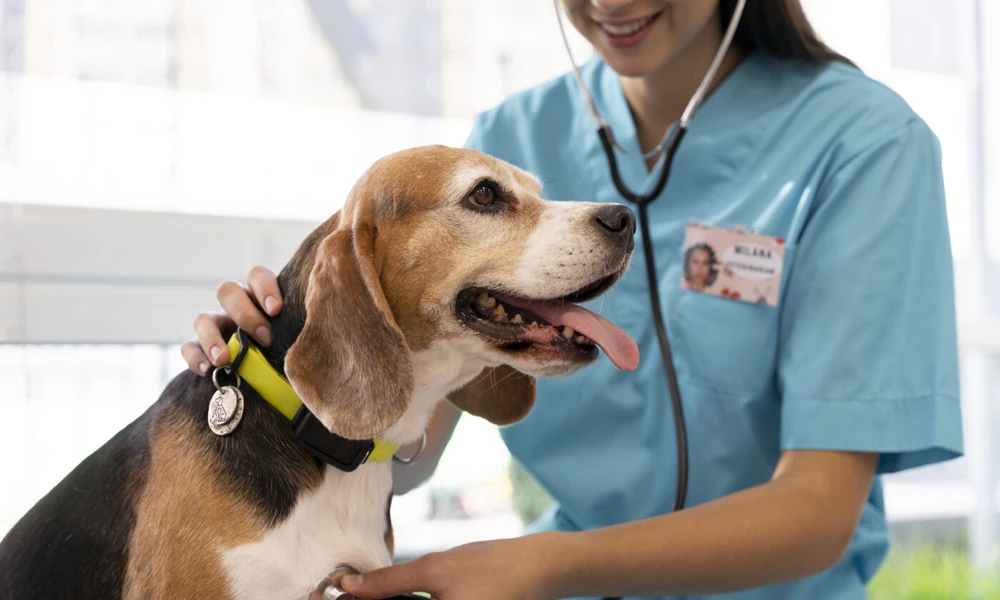
You might be feeling caught between two worlds right now. On one side, there is the comfort of traditional veterinary medicine that you know and trust, such as a veterinary in West Hampton. On the other, you keep hearing about acupuncture, chiropractic care, or other “alternative” therapies for animals, and you wonder if you are missing something that could help your pet feel better or heal faster.end
Maybe your dog is still stiff after surgery even though the medication is “doing what it should.” Or your older cat is eating less, and you sense that something about their comfort or stress is not being fully addressed. You are not trying to replace your veterinarian. You just want more options when standard care does not feel like the whole answer.
That is where integrating alternative therapies in animal hospitals can make a quiet but meaningful difference. When done thoughtfully, these approaches do not compete with conventional medicine. They support it. They can help manage pain, improve mobility, and enhance overall quality of life, often with fewer side effects and more focus on long-term comfort.
So the short version is this. Combining traditional veterinary care with selected complementary therapies can give your pet better pain control, a smoother recovery, and more whole-body support. The rest of this page will walk you through how and why, and what you might want to ask your veterinary team.
Why does standard care sometimes feel “not quite enough” for your pet?
When an animal is injured or sick, most animal hospitals do an excellent job with the basics. Diagnosis. Medication. Surgery if needed. Clear instructions for follow up. Yet you might still notice your pet is not bouncing back the way you hoped.
Here is where the tension shows up. Pain medications can help, but they may cause drowsiness or stomach upset. Rest is essential, but too much inactivity can lead to muscle loss and stiffness. You might see your pet struggling to get up, moving more slowly, or seeming “not themselves,” and you are left wondering what else could be done.
Because of this tension, you might ask yourself a hard question. Is there a way to support healing that does not just chase symptoms, but actually helps the body function better and cope with stress and pain more naturally?
Research suggests there can be. For example, veterinary acupuncture has been studied in different species. Reviews of animal acupuncture describe changes in pain modulation, blood flow, and nervous system activity that align with improved comfort and function. You can see an example of this kind of review in a scientific overview of acupuncture mechanisms in animals.
How can integrated therapies ease pain and support recovery in animal hospitals?
One of the main benefits of integrating complementary therapies in veterinary care is better pain control with a more balanced approach. Instead of relying only on drugs, your veterinarian can combine medication with therapies like acupuncture, physical rehabilitation, or medical massage.
For instance, studies in dogs with joint disease have found that acupuncture can reduce pain scores and improve mobility when used along with standard care. Some research has even explored how acupuncture affects the nervous system and inflammatory pathways in animals. A useful starting point is this review of acupuncture research in veterinary patients, which describes clinical outcomes across different conditions.
What does this look like in daily life. Imagine a middle aged dog recovering from knee surgery. Traditional care covers the surgery itself, pain medication, and rest. With integrated care, that same dog might also receive acupuncture to help with pain and swelling, targeted exercises to rebuild strength, and gentle manual therapy to reduce muscle tightness. The goal is the same. Get your dog comfortable and moving again. The path is simply more complete.
A similar story plays out in horses. Controlled trials have examined acupuncture for lameness and back pain, and many equine veterinarians now use it as part of standard care. For more detailed examples, you can look at this overview of acupuncture use in horses from a veterinary teaching hospital.
So where does that leave you. It leaves you with the option to ask for more than a prescription. You can ask your veterinarian what supportive therapies might reduce pain, shorten recovery time, or improve your pet’s day to day comfort.
What specific benefits can you expect from integrated veterinary care?
When an animal hospital thoughtfully combines traditional medicine with selected alternative therapies, three core benefits tend to show up again and again.
1. Better pain management with fewer side effects
Using acupuncture, physical rehabilitation, or laser therapy alongside medication can allow for lower drug doses or shorter courses. Many pets stay more alert, eat better, and move more easily when pain is addressed from more than one angle.
2. Improved mobility and function, not just “less pain”
For conditions like arthritis, spinal issues, or post surgical recovery, the goal is not simply to reduce pain. It is to help your pet walk, jump, climb stairs, or lie down and get up with less struggle. Integrated care focuses on joints, muscles, nerves, and balance, so your pet can do more of the things that matter to them and to you.
3. Support for long term well being and quality of life
Many pets now live longer with chronic conditions such as arthritis, neurologic disease, or cancer. A thoughtful mix of conventional medicine and complementary therapies can help manage chronic pain, reduce stress, and support appetite and sleep. Over time, this can mean more good days and fewer crisis days.
Comparing traditional only care and integrated care in animal hospitals
You might still be wondering how this looks in practice. The table below compares common features of traditional only care and an integrated veterinary care approach for a dog with chronic arthritis.
| Aspect | Traditional Only Care | Integrated Care (Traditional + Alternative Therapies) |
|---|---|---|
| Pain control | Relies mainly on medications such as NSAIDs and sometimes opioids | Uses medications plus acupuncture, rehab exercises, weight management, and joint support |
| Mobility focus | General advice to limit activity and avoid strain | Structured movement plan, muscle strengthening, manual therapy, and gait retraining |
| Side effects | Higher risk of medication side effects if doses need to stay high long term | Potential to maintain or reduce drug doses while keeping pain controlled |
| Owner involvement | Give prescribed medications and monitor for problems | Active role with home exercises, monitoring comfort, and giving feedback to the care team |
| Quality of life focus | Primary goal is symptom control | Goal includes comfort, function, sleep, mood, and daily enjoyment |
Every animal is different, and no approach is perfect. Yet many owners find that when their animal hospital offers both conventional and complementary options, they feel less stuck and more supported in making choices for their pet.
Three practical steps you can take right now
1. Ask your veterinarian about integrated options for your pet’s specific condition
Instead of asking “Do you offer alternative therapies,” try a more focused question. For example. “My dog has arthritis and is still stiff on medication. Are there additional therapies like acupuncture or rehab that could help her move more comfortably.” This keeps the conversation grounded in your pet’s needs, not in labels.
2. Check training and credentials for any alternative therapy provider
Not all providers have the same level of training. Look for veterinarians who have formal education in acupuncture, chiropractic care, or rehabilitation, ideally from recognized programs. Ask how they integrate these therapies with standard care, how they monitor progress, and how they communicate with your primary veterinarian.
3. Start with a clear trial plan and measurable goals
Agree with your veterinary team on what you are hoping to see and in what time frame. For example. “We want to see if acupuncture reduces my dog’s pain scores and improves her ability to climb stairs within four to six sessions.” Track changes in mobility, mood, sleep, and activity. This helps you decide whether to continue, adjust, or stop a particular therapy based on real changes, not just hope.
Finding a path that feels right for you and your pet
You are not wrong to feel pulled in different directions. You want to respect proven medicine, yet you also want to explore gentle options that could bring your pet more comfort and ease. That tension simply means you care, and you are paying attention.
By exploring integrated animal care inside a trusted animal hospital, you are not choosing “natural” over “medical.” You are choosing a broader toolkit, guided by professionals who can help you weigh risks, benefits, and costs for your unique pet.
Your next step can be simple. At your pet’s next visit, bring your questions. Share what you are noticing at home. Ask what additional therapies might help with pain, mobility, or long term comfort, and how those would work alongside your pet’s current treatment plan.
Your pet does not need perfection. They need a thoughtful, responsive plan and a human who keeps asking good questions on their behalf. You are already doing that.
