

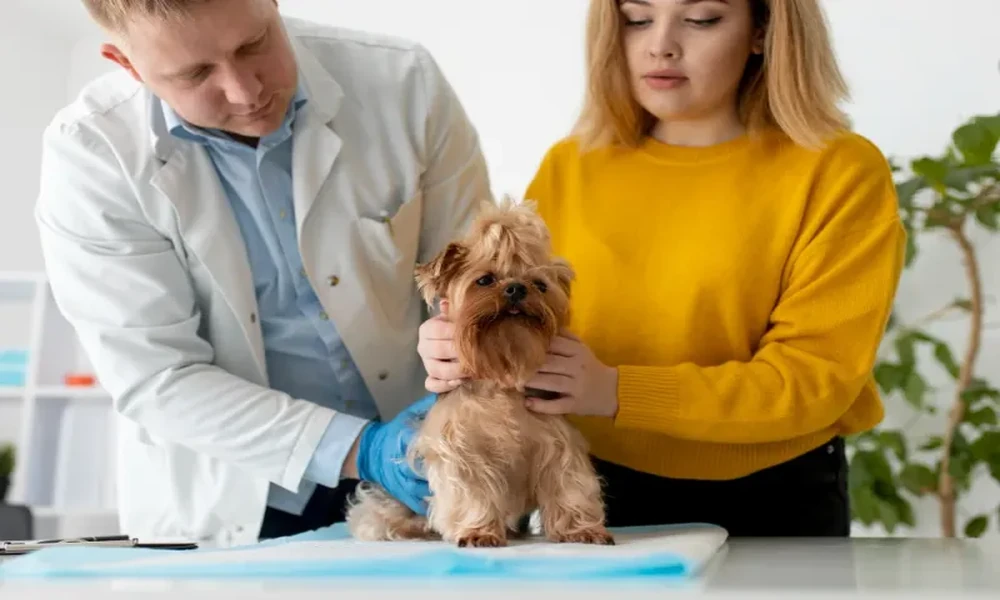
You might be feeling that strange mix of relief and worry that comes after your pet’s surgery. The procedure is over, which matters, but now you are watching every step, every nap, and every change in appetite, wondering what is normal and what is not. That tension is common. When you understand how a veterinary clinic in Chicago, IL handles pain relief, monitoring, and recovery instructions, the next few days can feel less uncertain and much more manageable.
The short version is simple. Good postoperative care for pets usually includes a pain control plan, careful discharge instructions, activity limits, wound monitoring, and clear guidance about when to call the clinic. Pain is not treated as an afterthought. It is part of healing, and when it is managed well, pets often rest better, eat sooner, and recover with fewer setbacks.
Why does pain management after surgery matter so much?
It is easy to assume that a quiet pet is a comfortable pet, but that is not always true. Dogs and cats often hide pain. A pet may seem sleepy, withdrawn, restless, or less interested in food, and those signs can be missed if you are only looking for crying or limping. Because of this, veterinary teams build pain control into the care plan from the start rather than waiting for obvious distress.
That plan often begins before surgery and continues after your pet goes home. A clinic may use more than one type of medication so pain is addressed from different angles. This approach can lower discomfort without relying too heavily on one drug. The AAHA pain management guidelines for dogs and cats explain why this layered approach is widely used in modern veterinary medicine.
So, where does that leave you as the pet owner? Usually in a very important role. Your clinic can provide the medications and instructions, but you are the one who sees the subtle changes at home. If your pet seems unusually restless, pants when at rest, hides, refuses food, or guards the surgical area, those clues matter.
What does a veterinary clinic actually do for post-surgical care?
A strong veterinary post-surgical care plan usually starts in the hospital and continues at home. Right after surgery, the team monitors breathing, heart rate, temperature, and comfort level while the anesthesia wears off. They check the incision, watch for swelling or bleeding, and make sure your pet can wake up safely.
Before discharge, most clinics review medication schedules, feeding guidance, bathroom habits, and movement limits. Some pets need a cone or recovery suit to stop licking. Others need crate rest, leash walks only, or help getting onto furniture. If your pet had dental work, orthopedic surgery, or a mass removal, the instructions may be more specific because the risks are different.
There is also the question of medication safety. Nonsteroidal anti-inflammatory drugs can be very helpful for pain, but they need to be used exactly as prescribed. The FDA has clear guidance on what veterinarians should advise clients about pain control and NSAIDs, including the need to avoid mixing drugs unless your veterinarian says it is safe.
What if your pet seems fine and wants to run, jump, or play the next day? That can be one of the hardest parts of recovery. Feeling a little better does not mean the tissues are healed. Many surgical complications happen because a pet returns to normal activity too soon, which can lead to swelling, pain, or an open incision.
How do home care and clinic follow-up work together?
Recovery is smoother when the clinic and pet owner are working from the same plan. You may be asked to check the incision twice a day, track eating and drinking, and watch for vomiting, diarrhea, coughing, or trouble urinating. A simple aftercare checklist can help, especially in the first 48 hours when you are tired and trying to remember a lot at once. Tufts Veterinary Medicine shares helpful aftercare guidance for pet owners that reflects the kind of instructions many clinics give after surgery.
This is also where the emotional side shows up. You may worry that you are overreacting if you call, or underreacting if you wait. If something feels off, it is usually worth asking. A quick question early can prevent a larger problem later. That is one reason pain management for pets after surgery is never just about medicine. It is also about communication.
What should you watch for during recovery at home?
Some changes are expected, while others need prompt attention. This table can help you sort out what is usually normal and what should lead to a call to your veterinary clinic.
| What You Notice | Often Expected | Call the Clinic |
|---|---|---|
| Sleepiness | Mild drowsiness for 12 to 24 hours | Hard to wake, extreme weakness, collapse |
| Appetite | Eating a smaller meal the first night | Refuses food beyond a day, repeated vomiting |
| Incision | Small amount of redness or bruising | Gapping, bleeding, discharge, bad smell, major swelling |
| Activity | Calmer than usual, slow movement | Cannot stand, cries when moving, sudden lameness |
| Behavior | Quiet or clingy for a short time | Persistent panting, hiding, agitation, signs of pain |
What can you do right now to support safer healing?
1. Build a medication routine. Set alarms, use a written chart, and never give human pain medicine unless your veterinarian specifically tells you to. Many common human drugs are dangerous for pets, even in small amounts.
2. Control the environment. Keep your pet in a calm, clean space with easy access to water and a soft place to rest. Block stairs if needed, limit jumping, and use the cone or recovery gear exactly as directed, even if your pet hates it.
3. Track small changes. Take a photo of the incision each day in good light. Note eating, drinking, bowel movements, and energy level. If something changes, you will have a clear record to share with the clinic.
How can you feel more confident about veterinary pain care?
Most pets recover well when pain is treated early, and home care stays consistent. If you feel anxious, that does not mean you are doing this wrong. It usually means you care, and that attention can make a real difference. A good veterinary clinic will want you to ask questions, report concerns, and stay connected through recovery.
If your pet is preparing for surgery or healing now, reach out to your veterinary clinic for clear instructions about pain medicine, activity limits, and follow-up care. A little guidance at the right time can help you protect your pet’s comfort and support a steadier recovery.
