

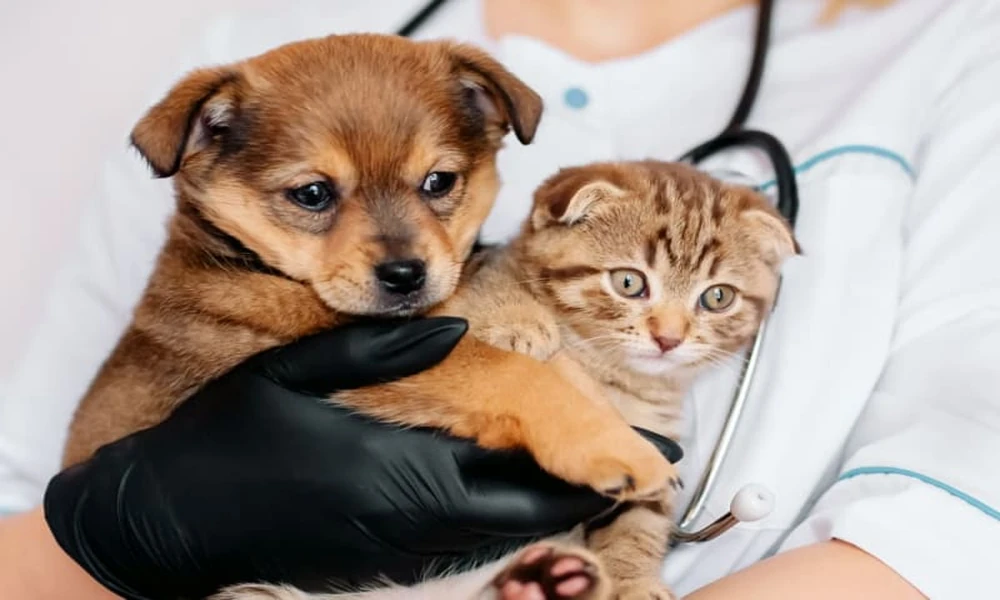
You already keep an eye on your pet’s food, energy, bathroom habits, and the little things that seem off. That is how most problems start to show up, quietly and in ways that are easy to second guess. Maybe your dog seems a bit slower on walks. Maybe your cat is hiding more, eating less, or drinking more water. You tell yourself to watch it for another day, because life is busy and a trip to the animal hospital can feel like one more thing on a full list. If those changes continue, it may be time to contact a veterinarian in Olympia, WA.
That hesitation is common, and it makes sense. Pets cannot tell you where it hurts, and many animals hide pain until a problem is advanced. Regular checkups catch changes earlier, often before your pet looks sick at home. That means fewer surprises, better comfort, and a better chance of treating issues before they become harder and more expensive to manage. Why Regular Wellness Visits At Animal Hospitals Matter comes down to one simple truth. Preventive care protects your pet from silent problems that do not wait for a convenient time.
Wellness exams at an animal hospital catch problems before they become crises
A wellness visit is more than vaccines and a quick weight check. During a routine exam, a veterinarian looks at your pet from nose to tail. Teeth, gums, ears, eyes, skin, coat, heart, lungs, joints, abdomen, and body condition all tell a story. That story can reveal dental disease, arthritis, ear infections, skin allergies, obesity, heart murmurs, and early signs of kidney or thyroid trouble before those issues disrupt daily life.
This matters because animals adjust. A pet with dental pain may still eat. A dog with joint pain may still greet you at the door, then struggle to get up later. A cat with kidney disease may only show a small shift in thirst at first. When care starts early, treatment is often simpler and your pet avoids unnecessary pain.
Preventive visits also protect the people in your home. The CDC explains that routine veterinary care is part of keeping both pets and humans healthy, especially because some diseases can spread between animals and people. You can read more about that through the CDC’s guidance on healthy pets and healthy people.
That is one reason many families now view preventive pet care visits as part of basic household planning, not just something to schedule when a pet is visibly sick.
Skipping routine pet wellness exams often leads to higher stress and cost
When pets miss regular exams, small issues get time to grow. A mild ear infection becomes severe and painful. Plaque becomes dental disease, then tooth loss or infection. Weight gain becomes obesity, then diabetes or joint strain. Parasites go unnoticed until your pet is uncomfortable and your home needs treatment too.
The financial side hits hard because emergency care usually costs more than prevention. Bloodwork done during a scheduled visit is one thing. Emergency testing, urgent imaging, and after hours treatment are something else. You may also face harder choices when a condition is found late, because treatment can be more intense and outcomes less certain.
There is also the emotional cost. You might replay the signs you missed and wonder if you should have come in sooner. Most pet owners know that feeling. Regular visits reduce that uncertainty. They give you a baseline, a record of weight, lab results, vaccine timing, and behavior changes that helps your veterinary team spot patterns early.
The Ohio State University Veterinary Medical Center outlines age based care in its healthy pet guidelines, showing how exam frequency and screening needs change as pets move from young adulthood into the senior years. That schedule matters because a seven year old pet can age much faster, in medical terms, than a seven year old child.
Routine veterinary checkups support better decisions at every life stage
Puppies and kittens need a strong start. Vaccines, parasite prevention, nutrition guidance, and behavior support all shape long term health. Adult pets benefit from consistent monitoring, dental checks, and weight management. Senior pets often need more frequent exams because age related changes can develop quietly and progress fast.
A routine visit also gives you space to ask about things that seem small but are not. Bad breath. Licking paws. New lumps. Trouble jumping. Changes in stool. Anxiety in the car. These are the details that help a veterinarian connect dots before a larger problem forms.
| Situation | With Regular Wellness Visits | Without Regular Wellness Visits |
|---|---|---|
| Dental disease | Early plaque and gum changes are found, home care and treatment start sooner | Pain may go unnoticed until infection, tooth damage, or refusal to eat appears |
| Weight gain | Small changes are tracked, diet and exercise can be adjusted early | Obesity may develop, raising the risk of diabetes and joint stress |
| Senior health changes | Bloodwork and exams may catch kidney, thyroid, or heart issues earlier | Problems may only be found after major symptoms appear at home |
| Parasite prevention | Consistent prevention lowers risk to pets and people in the home | Infestations and related illness may require wider treatment and cleanup |
| Care costs | Planned visits often mean more predictable spending | Emergency treatment is often more expensive and more stressful |
Small actions make pet preventive care easier to keep up with
Schedule the next visit before you leave. The easiest appointment to keep is the one already on the calendar. If your pet is a senior or has an ongoing condition, ask whether twice yearly visits make more sense than annual exams.
Track changes at home. Write down appetite, thirst, weight, energy, bathroom habits, and anything new. A short note on your phone is enough. These details help during routine veterinary checkups, especially when a change seems too minor to mention.
Ask for a prevention plan that fits real life. You do not need a perfect system. You need one you can follow. Ask about vaccine timing, dental care, parasite prevention, diet, and screening tests based on your pet’s age and risk factors. A clear plan from your animal hospital helps you stay consistent without guessing.
Regular wellness care gives your pet a safer, more comfortable life
You cannot prevent every illness, and you are not failing if you did not catch every sign right away. What you can do is give your pet steady care that makes problems easier to spot and easier to treat. That is the real value of wellness visits. They support comfort, protect health, and reduce the chance that your first warning comes during a crisis.
If your pet has not had an exam in a while, now is a good time to schedule one. A simple visit can answer questions, ease your mind, and help your pet stay healthier for longer.
