

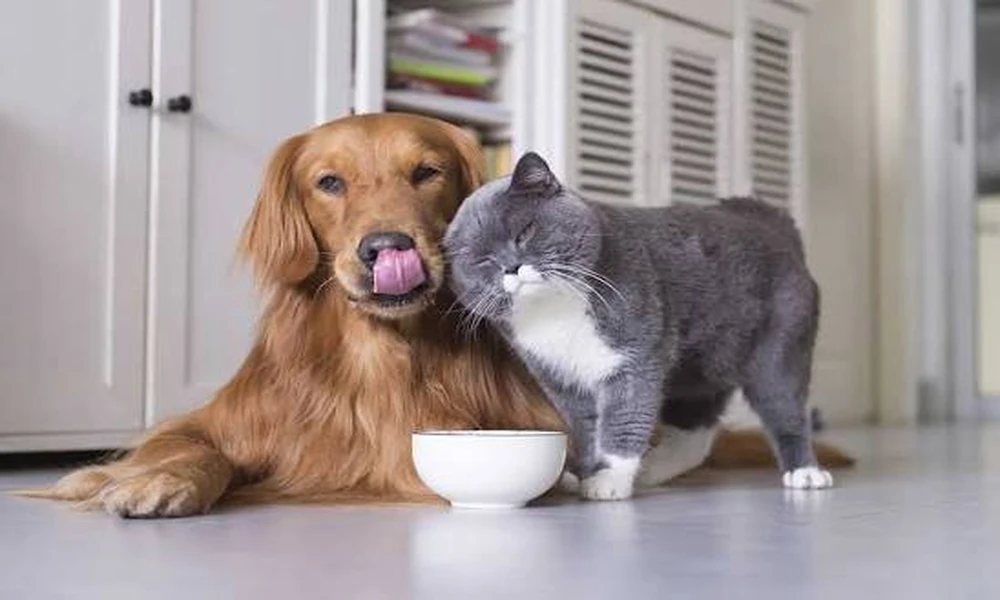
You might be watching your pet and thinking, “Something is off, but I can’t quite explain it.” Maybe your easygoing cat is suddenly hiding under the bed, or your usually cheerful dog growls when you try to touch him. A part of you wonders if this is a phase, a mood, or even something you did wrong. Another part of you has a quiet worry in the background that says, “What if this is something more serious.” That’s when reaching out to a veterinarian in Bend, OR can help you find answers and peace of mind.end
That tension is heavy. You love your pet, you know them better than anyone, and when their behavior shifts, your whole routine can start to feel unstable. You might be second guessing yourself. Is this just stubbornness or “attitude,” or is it a sign of pain or illness. The short answer is that behavior changes are often your pet’s first language for “I don’t feel well,” and paying attention to those shifts can make a real difference.
So here is the big picture. Many medical problems show up first as behavior changes, long before you see obvious physical symptoms. You do not have to diagnose anything on your own. You only need to notice, trust your instincts, and bring those observations to a general veterinarian who can sort out what is medical and what is behavioral. When you do that early, you give your pet a better chance at comfort and a better quality of life.
When behavior changes hint at illness, what are you really seeing
Think about how you act when you are in pain or feel sick. You might be more irritable, sleep more, avoid people, or snap at loved ones who touch a sore spot. Pets do the same thing. They just do not have the words to explain it, so it comes out in behavior.
Some of the most common behavior changes that can be medical clues include:
- Withdrawing from family, hiding, or acting “sad”
- Growling, hissing, or snapping when touched
- Suddenly not wanting to be picked up or handled
- Changes in sleep patterns, pacing at night, or restlessness
- New house soiling or “accidents” in a previously trained pet
- Sudden clinginess or separation anxiety
- Changes in appetite, thirst, or weight along with mood shifts
Because these changes can feel vague, it is easy to brush them off. You might hear people say “He is just being stubborn” or “She is getting grumpy with age.” That can be true sometimes, yet many conditions like arthritis, dental disease, thyroid problems, kidney disease, and even early cancer often show up first as subtle changes in how your pet acts.
Veterinary groups have outlined specific warning signs that a pet may be sick. You can review a helpful list of common symptoms and red flags through this resource on signs your pet may be ill. Seeing your pet in that list can be uncomfortable, yet it also gives you a clear reason to take the next step.
Why “just attitude” can become a real problem if you wait
So where does this leave you when you are not sure if your pet is misbehaving or hurting? This is where the emotional and practical sides collide. You do not want to overreact, but you also do not want to ignore something important.
Here is the emotional challenge. When a beloved pet suddenly growls, snaps, or hides, it can feel personal. You might feel hurt, frustrated, or even guilty. You might catch yourself raising your voice or pulling away from them. That distance can make both of you feel worse, especially if your pet is acting out because of pain or confusion.
There is also a real financial concern. Veterinary visits cost money, and you may be worried that every new behavior means another test or prescription. It is tempting to wait and see if the problem “just goes away.” Sometimes mild issues do fade on their own, but many medical problems are cheaper and easier to treat when caught early. Ignoring them can lead to emergency visits, more advanced disease, and higher costs down the line.
For older pets, this becomes even more complex. Senior dogs and cats can develop cognitive changes that look like “old age grumpiness” or “forgetfulness.” They might wander, stare at walls, or forget house training. You might start to wonder about their quality of life. Senior pets bring a special kind of worry, yet they also bring enormous love and calm. If you are caring for or considering an older pet, this guide to adopting and supporting senior pets can help you understand what to expect and how to support them.
So the real question becomes: how do you decide when a behavior change is worth a medical check and when it is likely just a training or attitude issue?
Comparing “just behavior” with medical behavior changes
The truth is that you do not have to sort this out perfectly on your own. That is what your veterinarian is for. Still, it can help to see some patterns that often point toward medical causes rather than pure behavior. Think of this as a guide, not a rigid rulebook.
| Behavior Change | More Likely Training/Attitude | More Likely Medical Clue |
|---|---|---|
| Avoiding touch | Only avoids touch during nail trims or grooming, otherwise normal | Sudden avoidance of petting, flinching, or crying when specific areas are touched |
| Aggression or irritability | Appears mostly in specific training situations, improves with consistent rules | New or worsening aggression, especially when resting or being moved, no clear trigger |
| House soiling | Happens in new homes or after schedule changes, improves with routine | Starts suddenly in a previously reliable pet, often paired with drinking or urinating more |
| Changes in activity | Mild boredom, improves with play and walks | Reluctance to jump, climb stairs, or go for walks, stiffness after resting |
| Vocalizing | Happens mainly when seeking attention, stops with training | New crying, whining, or nighttime howling, especially in seniors |
When behavior changes show up suddenly, increase over time, or come with other physical signs like weight loss, changes in drinking, vomiting, or limping, it is time to treat them as potential medical clues. This is where an early vet check for pet behavior changes can be the difference between catching something early and facing a crisis later.
Three steps you can take right now when your pet’s behavior changes
1. Start a simple behavior and symptom journal
For the next week or two, write down what you see. Note the date, time, what your pet did, and what was happening just before and after. Include things like:
- Changes in appetite or thirst
- Energy level and playfulness
- Any accidents in the house
- Reactions to being touched or picked up
- Changes in sleep or nighttime restlessness
This does two things. It helps you see patterns that are easy to miss day to day, and it gives your veterinarian clear, specific information. That makes their job easier and your visit more productive.
2. Schedule a medical check before assuming it is “just behavior”
If the behavior is new, getting worse, or worrying your gut, schedule an exam with a general vet. Mention the behavior changes when you book the appointment so the team knows what to expect. Bring your journal and any videos you can safely record on your phone.
Your veterinarian may recommend a physical exam, bloodwork, urine testing, or imaging depending on what they see. This is not overreacting. It is simply giving your pet a chance to have pain or illness found and treated. If the tests come back normal, you can move forward with behavior training or environmental changes with more confidence.
3. Adjust your home routines to reduce stress and protect your pet
While you wait for your appointment and after, there are gentle changes you can make at home that support almost any pet, sick or not.
- Give them a quiet, safe place to rest, away from loud noise and rough play
- Avoid punishment for behavior that might be pain-related, such as growling or snapping
- Use non-slip rugs, ramps, or steps for older or stiff pets
- Keep a stable routine for feeding, walks, and bedtime
- Offer soft bedding and easier access to food and water
These changes can lower your pet’s stress and may also make it easier for you to see whether the behavior is tied to specific movements or situations. That information again becomes useful for your veterinarian.
Bringing it all together so you and your pet can breathe again
When your pet starts acting “off,” it is not about you being a bad owner or them turning into a “bad” pet. It is often a signal that something inside their body or mind needs attention. Your job is not to have all the answers. It is simply to notice, to care, and to ask for help from a pet medical behavior specialist such as your trusted veterinarian.
By taking behavior changes seriously, keeping simple notes, and seeking timely care, you give your pet comfort, you protect your bond, and you often save yourself from bigger problems later. You are not overreacting when you listen to that quiet worry. You are doing exactly what a loving, responsible guardian does.
If your pet’s behavior has changed and it is weighing on you, reach out to your veterinary clinic and share what you are seeing. The sooner you start the conversation, the more options you are likely to have, and the sooner both you and your pet can feel more at ease.
