

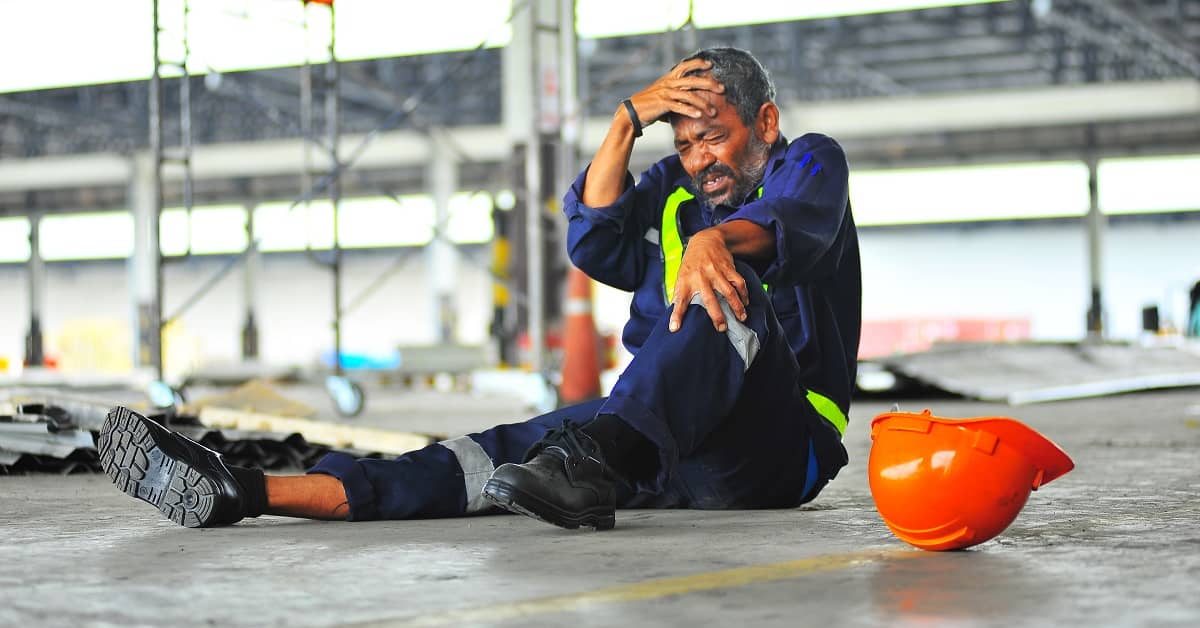
Construction zone accidents present distinct liability characteristics that differentiate them from standard traffic collisions. The presence of contractors, government entities, lane closures, altered traffic patterns, temporary signage, and construction equipment creates multiple potential defendants and complex duty-of-care analysis. Approximately 700 fatalities (Federal Highway Administration Work Zone Safety Information Clearinghouse) and over 37,000 injuries occur annually in work zones, generating a substantial volume of claims with unique legal features.
Multiple Defendant Liability
Unlike standard two-vehicle collisions, construction zone accidents frequently involve potential liability from parties beyond the drivers involved. The construction contractor responsible for work zone design and maintenance, the government entity that contracted the work, the traffic control subcontractor responsible for signage and lane markings, and the engineering firm that designed the traffic control plan may all bear responsibility.
A study of construction zone accident litigation found (Journal of Construction Engineering and Management) that non-driver defendants were named in 43% of cases. Among those cases, liability was ultimately allocated to at least one non-driver defendant in 67% of resolved claims, with average fault allocations to non-driver defendants of 35%. These figures demonstrate that construction zone accidents frequently involve recoverable negligence beyond the actions of the other driver (Avian Law Group).
Common Negligence Theories
The most frequently successful negligence theories in construction zone cases involve inadequate signage, improper lane transition design, insufficient advance warning distance, failure to maintain traffic control devices, and dangerous surface conditions created by construction activity. Each of these theories targets the duty of the contractor or government entity to maintain reasonably safe conditions for motorists passing through the work zone.
Federal and state standards establish detailed requirements for work zone traffic control (Manual on Uniform Traffic Control Devices). Violations of these standards provide strong evidence of negligence. A review of successful construction zone claims shows that MUTCD violations were documented in 58% of cases resulting in plaintiff verdicts or favorable settlements.
Compensation Patterns
Construction zone accident claims that successfully identify non-driver defendants recover significantly more than those limited to driver-versus-driver claims. The average settlement value for construction zone cases naming a contractor or government defendant is $187,000, compared to $68,000 for cases limited to the other driver’s liability insurance.
The higher recovery reflects both the deeper insurance coverage available from commercial contractors and government entities and the enhanced duty of care that construction zone operators owe to the traveling public. Government entity claims are subject to the six-month administrative claim deadline under the California Tort Claims Act, making early legal evaluation essential.
Investigating Beyond the Obvious
Construction zone accident investigations that focus exclusively on driver behavior miss recoverable liability in a substantial proportion of cases. Thorough investigation of work zone design, signage compliance, traffic control maintenance, and adherence to applicable standards identifies responsible parties whose insurance coverage can substantially increase total recovery for the injured claimant.
