

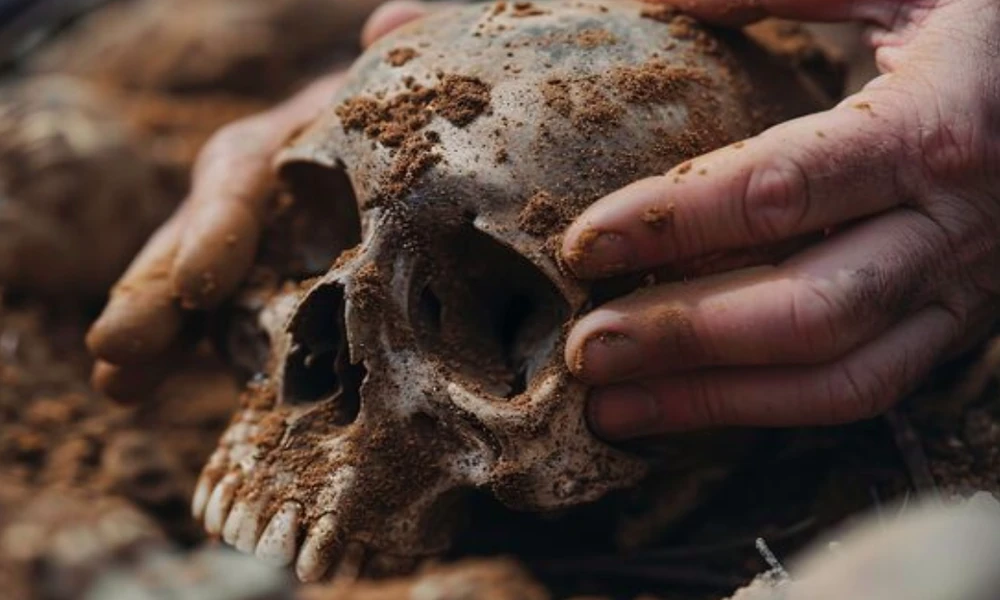
The study of paleontology offers a fascinating window into Earth’s history, but distinguishing authentic geological specimens from synthetic replicas has become increasingly difficult.
Understanding what makes fossils genuine requires comprehensive knowledge of mineral replacement processes, microscopic bone structures, and localized matrix configurations.
Without rigorous analytical verification, historical collections risk losing their scientific data and monetary value to sophisticated modern counterfeits.
Investigating these physical properties ultimately protects the integrity of paleontology while ensuring collectors invest in authentic pieces of our planet’s deep evolutionary heritage.
1. Verifying Complete Mineral Replacement and Permineralization Signatures
The primary geological process that establishes authenticity is permineralization, where groundwater deposits rich minerals into the porous spaces of decaying organic matter.
Analyzing what makes fossils genuine involves checking for the heavy presence of localized minerals like silica, calcite, or iron pyrite within the specimen. Over millions of years, these minerals replace the original organic tissue completely, turning fragile bone into dense, heavy stone.
Authentic specimens will match the weight profile of solid rock, whereas plastic or resin replicas feel unnaturally light when held.
2. Examining Microscopic Cellular Integrity and Internal Bone Architecture
Even when an ancient bone turns completely to stone, its microscopic internal structure remains remarkably well-preserved beneath the surface. True paleontological artifacts retain distinct osteons, Haversian canals, and cellular walls that are visible under high-powered laboratory microscopes.
This intricate internal network is a defining element of what makes fossils genuine, as replicating these microstructures synthetically is impossible. Forgers can easily mimic the outer appearance of a dinosaur tooth, but they cannot recreate the complex biological architecture hidden deep inside.
3. Analyzing Host Matrix Integration and Surrounding Sedimentary Layers
Authentic geological remains are almost never discovered completely detached from the rock layers where they spent millions of years accumulating. A authentic specimen will show a seamless physical connection to its host matrix, which consists of compacted silt, sand, or limestone.
Evaluating this integration is a vital method for discovering what makes fossils genuine, as counterfeiters often glue separate pieces into random stone blocks.
Examining the contact zone under UV light reveals whether the specimen grew naturally within the rock or was artificially attached using industrial adhesives.
4. Assessing Subtle Surface Imperfections and Natural Taphonomic Wear
Nature is rarely perfect, and real prehistoric specimens bear the physical scars of their long journey through the rock cycle. True remains consistently display minor cracks, asymmetrical distortions from tectonic pressure, and localized erosion from ancient water currents.
These unique flaws offer valuable clues regarding what makes fossils genuine, distinguishing them from the suspiciously flawless surfaces of factory-made molds.
Replicas typically feature uniform textures, recurring air bubble pockets, and perfectly smooth edges that never occur during natural fossilization cycles.
5. Utilizing Chemical Spot Testing and Advanced Destructive Analysis
When visual inspection is insufficient to verify authenticity, laboratories utilize precise chemical tests to confirm the material composition of the artifact. Applying a tiny droplet of diluted acid can cause specific minerals like calcite to effervesce, confirming a natural rock structure.
Furthermore, burning a small, inconspicuous area with a hot needle will instantly melt synthetic resins, releasing a distinct plastic odor. These diagnostic testing methods provide definitive empirical proof, separating genuine mineralized structures from clever composite materials.
