

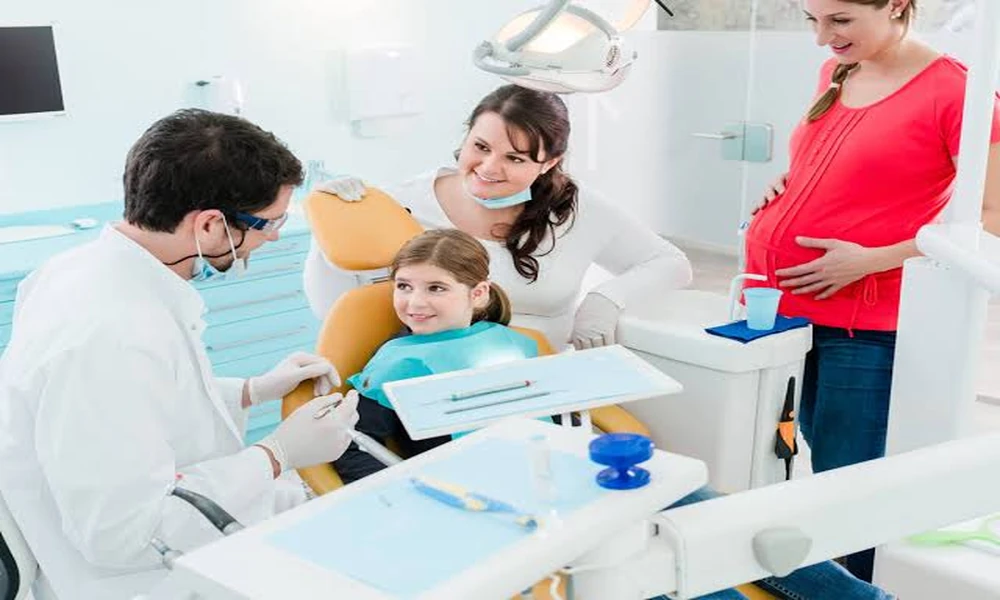
You are probably balancing a lot already. School schedules, work demands, sports, meals, bills, and the small health issues that seem to pop up at the worst time. Dental care often gets pushed into the category of “we’ll deal with it when something hurts,” and that is exactly where costs, stress, and bigger problems start to build. For families considering long-term tooth replacement options, San Diego dental implants may become part of that conversation.
That is why preventive care should sit at the center of any family dental plan. Cleanings, exams, fluoride, sealants, and steady home care do more than keep teeth looking clean. They catch problems early, lower the chance of pain and emergency treatment, and make dental spending more predictable. A strong preventive dental care for families approach usually costs less than waiting for fillings, crowns, root canals, or extractions.
Preventive care lowers stress before it turns into pain and expense
Most families do not ignore dental care because they do not care. They delay it because life is full, children resist appointments, and if nobody is complaining, it can feel safe to wait. The trouble is that tooth decay and gum problems often stay quiet for a long time. By the time someone says a tooth hurts, the fix is rarely small.
A cavity caught at a routine visit may need a simple filling. The same cavity, left alone, can reach the nerve and lead to infection, a root canal, or loss of the tooth. For a child, that can mean missed school, trouble eating, poor sleep, and a new fear of the dentist. For an adult, it can mean lost work time and a bill that lands hard.
The broader public health picture supports this. The CDC explains that oral health is tied to overall health, daily function, and quality of life. You can review that connection on the CDC oral health overview. Mouth pain does not stay in the mouth. It affects sleep, focus, nutrition, and confidence.
Regular visits also create a record over time. Your family dentist can spot changes in bite, gum health, brushing habits, grinding, and early decay before they become expensive problems. That steady pattern matters more than most people realize. One missed cleaning rarely causes a crisis. Years of reactive care often do.
Family dental plans work better when prevention is the main benefit
A family dental plan should not be built around emergencies. It should be built to reduce the chance of emergencies in the first place. That means making routine care easy to use and easy to repeat. Exams and cleanings are the entry point, but a good prevention-first plan also supports X-rays at the right intervals, fluoride treatments for children and adults who need extra protection, and sealants for back teeth that trap food and bacteria.
Utilization matters here. National survey data on dental visits in the United States shows a clear truth many families already feel. Some people get regular care, and some only go when there is a problem. Those two patterns do not lead to the same outcomes. One creates maintenance. The other creates catch-up.
This is where a family oral health plan becomes practical, not abstract. If your plan covers preventive visits well, you are more likely to use them. If it mainly helps after damage is done, you are still left managing pain, scheduling urgent care, and paying for major treatment.
Routine dental care protects both children and adults
Children benefit from prevention because their habits are still forming. Adults benefit because old fillings wear down, gums change, and years of grinding, sipping coffee, or skipping flossing catch up. In many households, one person’s untreated dental problem changes the routine for everyone else. A child with tooth pain wakes up at night. A parent with a cracked molar cannot eat normally and puts off treatment because the family budget is tight. Small problems spread outward.
Daily care still matters between visits. The National Institute of Dental and Craniofacial Research offers solid guidance on oral hygiene habits, including brushing with fluoride toothpaste, cleaning between teeth, and limiting sugar exposure. A family dentist supports those habits, but no dental plan can replace them.
Preventive care costs less than delayed treatment
Most people understand this in theory, yet it hits differently when you compare what prevention asks of you versus what delayed treatment can demand.
| Situation | Prevention First | Delayed Care |
|---|---|---|
| Early cavity in a child | Found during exam, treated with a small filling or monitored closely | Pain, infection risk, larger filling or more involved treatment |
| Adult gum inflammation | Cleaning, home care changes, follow-up before damage progresses | Deeper gum disease, bone loss, more visits, higher treatment cost |
| Worn or cracked filling | Spotted at routine visit and repaired early | Broken tooth, emergency appointment, crown or extraction |
| Family budgeting | More predictable costs and fewer urgent interruptions | Unexpected bills, missed work or school, rushed decisions |
This is the practical case for preventive dentistry. It is not about adding more appointments for the sake of it. It is about reducing avoidable treatment, avoiding pain, and keeping care steady enough that your family is not always reacting.
Three steps you can take right now
1. Schedule preventive visits for the whole household. Put cleanings and exams on the calendar before the year gets crowded. Back-to-back appointments often make this easier for families and reduce the odds that one person keeps getting postponed.
2. Review your dental plan with prevention in mind. Check whether exams, cleanings, X-rays, fluoride, and sealants are covered and how often. If your current setup mainly helps after major treatment starts, it may not support the kind of care your family actually needs.
3. Tighten the home routine. Replace worn toothbrushes, use fluoride toothpaste, add floss or interdental cleaners, and cut down on constant sugary snacks and drinks. These are small changes, but they lower risk every day between appointments.
Prevention gives your family a steadier path forward
You do not need a perfect routine to protect your family’s oral health. You need a consistent one. That is why preventive care should be the cornerstone of family dental plans. It keeps small issues small, supports better long-term health, and helps you avoid the chaos that comes with waiting too long.
If your family has fallen behind, you are not alone, and you are not stuck. Start with one appointment, one review of your plan, and one stronger routine at home. A trusted family dentist can help you turn dental care from a source of stress into something manageable.
