

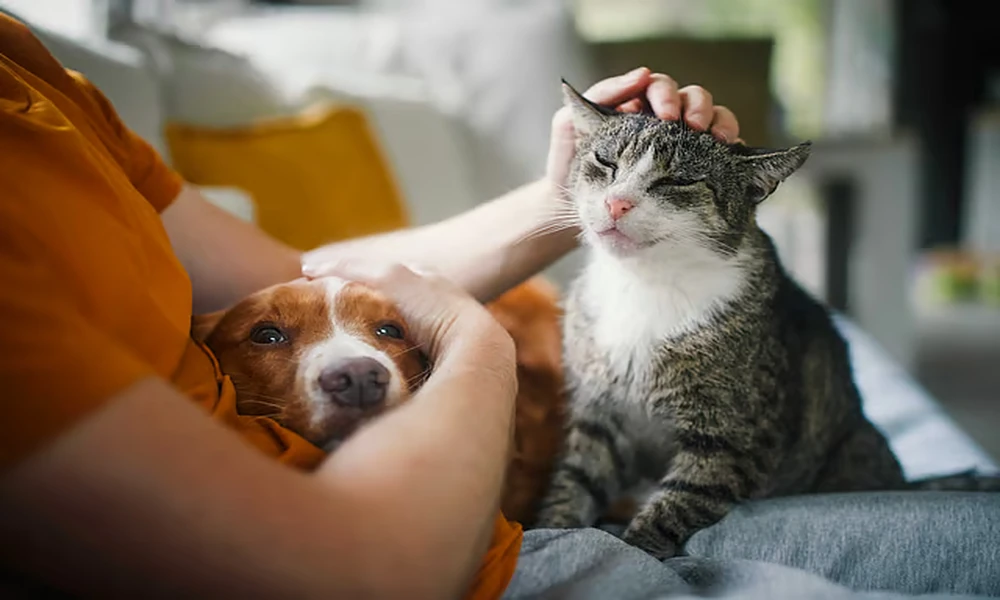
You might be feeling that caring for your pet has turned into a series of guesses. One minute your dog is fine, the next there is a limp or a strange cough. You search online, you read five different answers, and you end up more anxious than when you started. You love your pet, you want to do the right thing, but it can be hard to know what “the right thing” actually is. A trusted veterinarian in Northern San Diego can help guide you with clear, professional advice.
That is where veterinary education comes in. When a veterinary team takes time to teach, not just treat, your world as a pet owner shifts. Instead of reacting in panic to every symptom, you start to recognize what is urgent, what can wait, and what you can prevent. You feel more confident. Your pet is safer. The short version is this. Veterinary education for pet owners turns guesswork into guided care, and it makes every visit to a general veterinarian more useful and less stressful.
So where does that leave you right now, with your questions, your Google searches, and your very real worries about your pet’s health?
Why does caring for a pet feel so confusing sometimes?
Caring for an animal you cannot easily “talk” with is hard. Your cat cannot say “My stomach hurts” and your dog will happily play fetch with a torn ligament. You might notice tiny changes, but you are never completely sure what they mean. Because of this, many pet owners bounce between two extremes. Either they rush to the clinic for every small change or they wait too long because they hope the problem will pass on its own.
This uncertainty can be exhausting. You might worry about money. You might feel guilty, wondering if you missed early signs of a problem. You might feel embarrassed asking your veterinarian “basic” questions, especially if you think you should already know the answers. None of that means you are a bad pet owner. It simply means you have not been given clear, steady guidance yet.
So the real issue is not only your pet’s health. It is the gap between what you are expected to manage at home and what anyone has actually taught you to do. That gap is where stress, confusion, and sometimes preventable illness live.
How do veterinary practices turn that stress into understanding?
Good veterinary practices see education as part of the medical visit, not an optional extra. A general veterinarian can do far more than diagnose and prescribe. They can walk beside you and show you how to care for your pet in daily life.
Here are a few ways they do that.
1. Turning each visit into a mini “class” just for your pet
During an annual exam or a sick visit, your veterinarian can explain what they are checking, why it matters, and what you can watch for at home. For example, while listening to your dog’s heart, they might show you how to feel the pulse at home and what a normal breathing rate looks like. Instead of a silent exam, you get a guided tour of your pet’s body.
2. Giving you trusted resources, not random search results
Instead of leaving you to sort through endless websites, many practices recommend evidence based resources. For example, you might be guided to the Indoor Pet Initiative to learn how to create a low stress home for indoor cats and dogs. Or your veterinarian might share clear handouts such as the guides for pet owners from Michigan State University when you are facing a specific diagnosis.
3. Teaching you to prevent problems, not just react to them
Educational support is not only about diseases. A strong pet owner education program covers nutrition, dental care, weight management, behavior, and environmental needs. For instance, a practice might walk you through how to brush your dog’s teeth or how to set up puzzle feeders for your indoor cat, and then send you to additional resources such as the pet health resources from NC State Veterinary Hospital for deeper reading.
4. Making space for “small” questions
You might feel silly asking if your puppy’s chewing is normal or if your senior cat’s extra sleeping is a concern. A supportive team invites those questions. They know that small questions, answered early, often prevent big problems later. Over time, you stop feeling judged and start feeling like a true partner in your pet’s care.
When veterinary practices do these things consistently, pet health education stops being a one time event and becomes an ongoing conversation.
What are the tradeoffs between learning on your own and leaning on your vet?
You might be wondering if you really need education from your veterinary team at all. After all, there are books, blogs, and social media groups everywhere. To help you weigh this, it can help to compare common options.
| Source of information | What it offers | Common risks | Best way to use it |
|---|---|---|---|
| General internet search | Fast answers, many opinions, personal stories | Conflicting advice, scare tactics, non expert opinions | Use for background only, never as the final word on diagnosis or treatment |
| Online communities or social media | Support from other pet owners, shared experiences | What worked for one pet may harm another, emotional but not medical guidance | Use for emotional support, confirm all medical advice with your veterinarian |
| Educational handouts from your vet | Short, practical tips tailored to your pet’s condition | May not cover every question you have, can be easy to misplace | Use as a starting point, keep in a folder or take a photo for easy access |
| Veterinary backed websites and university resources | Evidence based, reviewed by experts, regularly updated | Can feel technical, may not know which parts apply to your pet | Use together with advice from your vet, write down questions to ask at your next visit |
| Direct conversation with your veterinarian | Personalized guidance, context for your pet’s age, breed, and history | Limited time during appointments, easy to forget what was said | Prepare questions in advance, take notes, ask for written summaries if needed |
When you see these options side by side, the pattern is clear. Self education is useful, but it is safest and most powerful when it is anchored to a trusted general veterinarian who knows your pet.
What can you do right now to feel more confident and prepared?
You do not need to change everything at once. A few focused steps can make a real difference in how supported you feel and how well your pet is cared for.
1. Turn your next visit into a guided learning session
Before your next appointment, write down three questions. For example. “What early warning signs should I watch for at home.” “Is my pet at a healthy weight and how can I maintain it.” “Which online resources do you trust for my pet’s condition.” Bring that list with you. During the visit, ask your veterinarian to walk through those questions one by one. If you feel rushed or overwhelmed, say that you would like a simple summary of “top three things to remember” before you leave.
2. Build a small, trusted library of pet resources
Choose a few reliable sources and ignore the noise from the rest. You might bookmark the Indoor Pet Initiative for behavior and environment, the Michigan State guides for specific conditions, and the NC State resources for general medical topics. Keep these in a single folder on your phone or computer. Any time you are worried, start there, then bring what you read back to your veterinarian for context.
3. Create a home “health routine” for your pet
Education matters most when it changes daily life. Pick one or two habits to start. For example, a quick weekly check where you look at your pet’s teeth, skin, and weight, or a daily log of appetite, water intake, and behavior if your pet has a chronic condition. Ask your veterinarian what they want you to watch for, and how often. Over time, this routine will help you notice subtle changes early and give your vet better information to work with.
How can you move forward with less worry and more support?
You are not supposed to know everything about animal health. You are supposed to care, to notice, and to ask for help when something feels off. A good general veterinarian meets you there, fills in the gaps with clear education, and walks with you as your pet grows, ages, and sometimes faces illness.
The more you lean into that partnership, the less you will feel alone with your questions. You will still have moments of worry. That is part of loving an animal. But you will also have a plan, a set of trusted resources, and a team that sees you not as “just” a pet owner, but as an essential part of your pet’s care.
You have already taken a step by looking for guidance on how veterinary practices support pet owners with education. Your next step can be simple. Bring your questions to your veterinarian, ask for teaching as well as treatment, and start building the kind of partnership that keeps both you and your pet safer, calmer, and more prepared for whatever comes next.
