

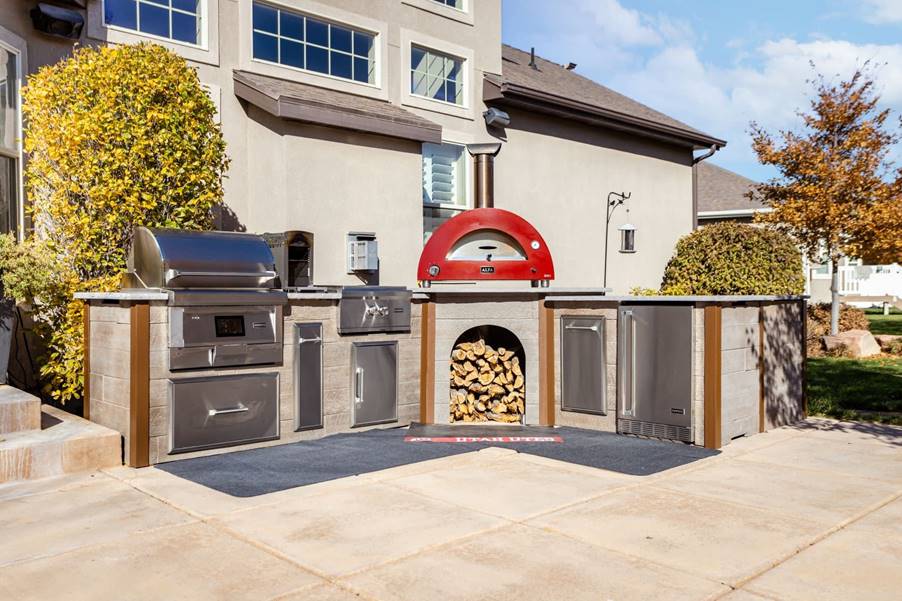
Planning an outdoor cooking space sounds simple at first. Then reality hits. Space limits, budget questions, and that nagging feeling of “will this actually work day to day?” Layout decisions play a bigger role than most people expect, especially when choosing between corner and linear designs.
Linear Layouts: Simple, Clean, and Straightforward
A linear outdoor kitchen runs everything along one wall or a straight line. It is tidy. It is efficient. And for many homes, it is more than enough.
Why do people like linear designs
- Easy to plan without overthinking
- Works well in narrow patios or compact yards
- Usually quicker to install
- Keeps the space visually open.
Where it can fall short
- Prep space fills up fast
- Not ideal if more than one person cooks
- Can feel a bit one-dimensional.
Linear setups are often chosen by homeowners who want functionality without committing too much space to the kitchen itself. For casual use, it makes sense.
Corner Layouts: When Cooking Becomes Social
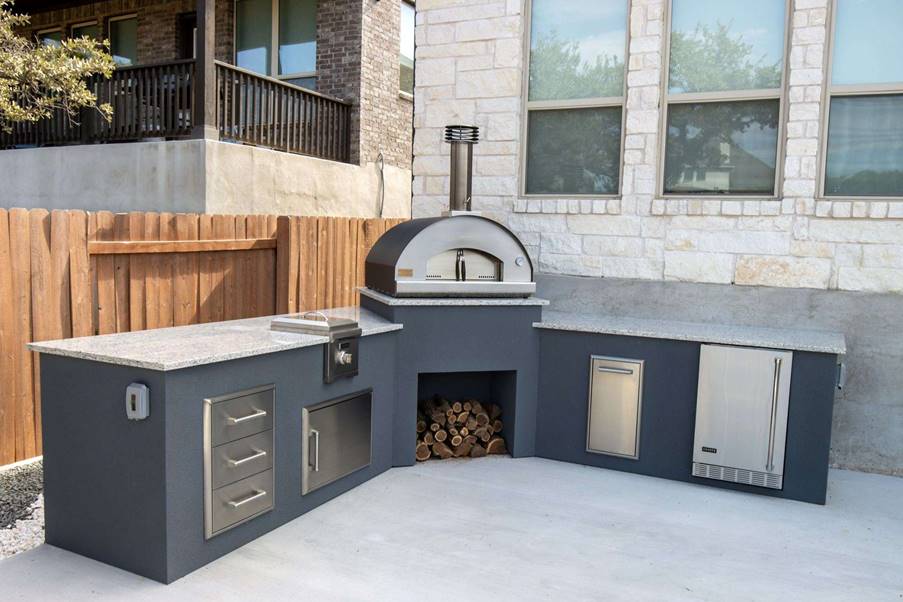
Corner kitchens use an L-shape, and the difference is noticeable the moment you step into the space. Everything feels closer, more connected.
Strengths of corner layouts
- Extra counter space for prep and serving
- Better flow between cooking and cleaning zones
- Comfortable for shared cooking
- Naturally encourages conversation.
A few trade-offs
- Needs more room to breathe
- Slightly higher build cost
- Poor planning can waste corner space.
Many people drawn to premium outdoor kitchens eventually lean toward corner layouts because they simply feel easier to use over time.
How Daily Habits Shape the Right Choice
Think about how you actually cook. Not the dream version. The real one. Weeknight grilling after work leans toward linear layouts. Long weekend meals with friends? Corner designs usually win.
Homeowners browsing high-end collections of outdoor kitchens often notice that layout impacts enjoyment more than the number of appliances. A smart layout quietly does the heavy lifting.
Built-In Layout Experience: A Practical Take
The Whistler Burford Built-In outdoor kitchens range highlights how built-in designs can support both layout styles without feeling rigid. The construction feels sturdy and intentional, which matters once the novelty wears off and regular use kicks in.
What is refreshing is how adaptable the layout feels. Whether installed as a straight run or shaped into a corner, the flow stays logical. Storage placement, counter depth, and proportions feel well thought out, not forced.
Planning Tools That Actually Help
When people explore curated design pages featuring outdoor kitchens, the most helpful details are not flashy photos. It is the measurements. The layout diagrams. The small notes that answer practical questions before they become problems.
These pages quietly guide decisions without overwhelming you, which honestly helps reduce planning fatigue.
Small Details That Matter More Than Expected
Later in the planning stage, attention often shifts to storage and access. Features like the Whistler Burford Double Door seem minor at first glance, but day-to-day use tells a different story. Smooth access and well-organized storage can quietly improve the entire cooking experience.
Final Thoughts
Corner and linear outdoor kitchen designs both work. The difference lies in how you use your space and who you share it with. When the layout aligns with real habits, the kitchen stops feeling like a project and starts feeling like home.